Kopaonik by Car: Mountain Road Trip Guide for Ski Season and Summer
Kopaonik is Serbia’s premier mountain destination — a place where winter means world-class skiing and summer transforms into a hiking paradise. But getting there requires planning, especially if you’re arriving in a rental car. This guide covers everything you need to know about driving to Kopaonik, from route options to winter tyre requirements.
Why Drive to Kopaonik?
Kopaonik sits at 1,370m above sea level, with the highest peak (Pančić’s Peak) reaching 2,017m. It’s about 290km from Belgrade and 100km from Niš. While there are bus connections from both cities, driving gives you freedom to explore the surrounding area — including Studenica Monastery, one of Serbia’s most important Orthodox sites, and the spa town of Jošanička Banja.
For ski trips, having a car means you can avoid the expensive resort transfers and explore alternative accommodation in nearby towns. In summer, a vehicle opens up the wider Kopaonik National Park and lets you reach trailheads that would be inaccessible otherwise.
Driving Route from Belgrade
The most common route from Belgrade to Kopaonik follows the E763 highway south:
- Belgrade to Čačak: ~150km via the A2 highway (newer, faster) or the old road through Lazarevac. About 1.5-2 hours.
- Čačak to Kraljevo: ~40km on good road. About 30-40 minutes.
- Kraljevo to Kopaonik: ~80km through the Ibar Valley, then climbing into the mountains. About 1.5 hours.
Total distance: ~290km
Total driving time: 4-5 hours depending on traffic and road conditions
If you’re breaking up the journey, Kragujevac is another option — take the E763 to Kragujevac, then continue through Kraljevo. This adds about 30km but offers a different route through central Serbia.
Driving Route from Niš
If you’re arriving from the south (perhaps via Niš), the route is shorter:
- Niš to Raška: ~80km via the M22 highway northwest. About 1 hour.
- Raška to Kopaonik: ~25km climbing up the mountain. About 30-40 minutes.
Total distance: ~105km
Total driving time: 1.5-2 hours
The Niš route is more direct but offers fewer facilities along the way. If you’re flying into Niš Constantine the Great Airport, this is your natural starting point.
Road Conditions: Winter vs Summer
Winter (December-March)
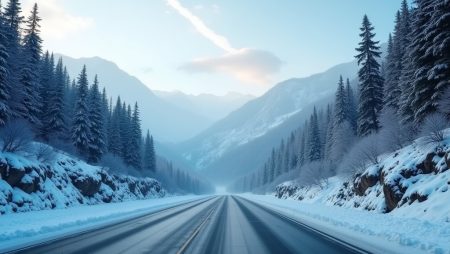
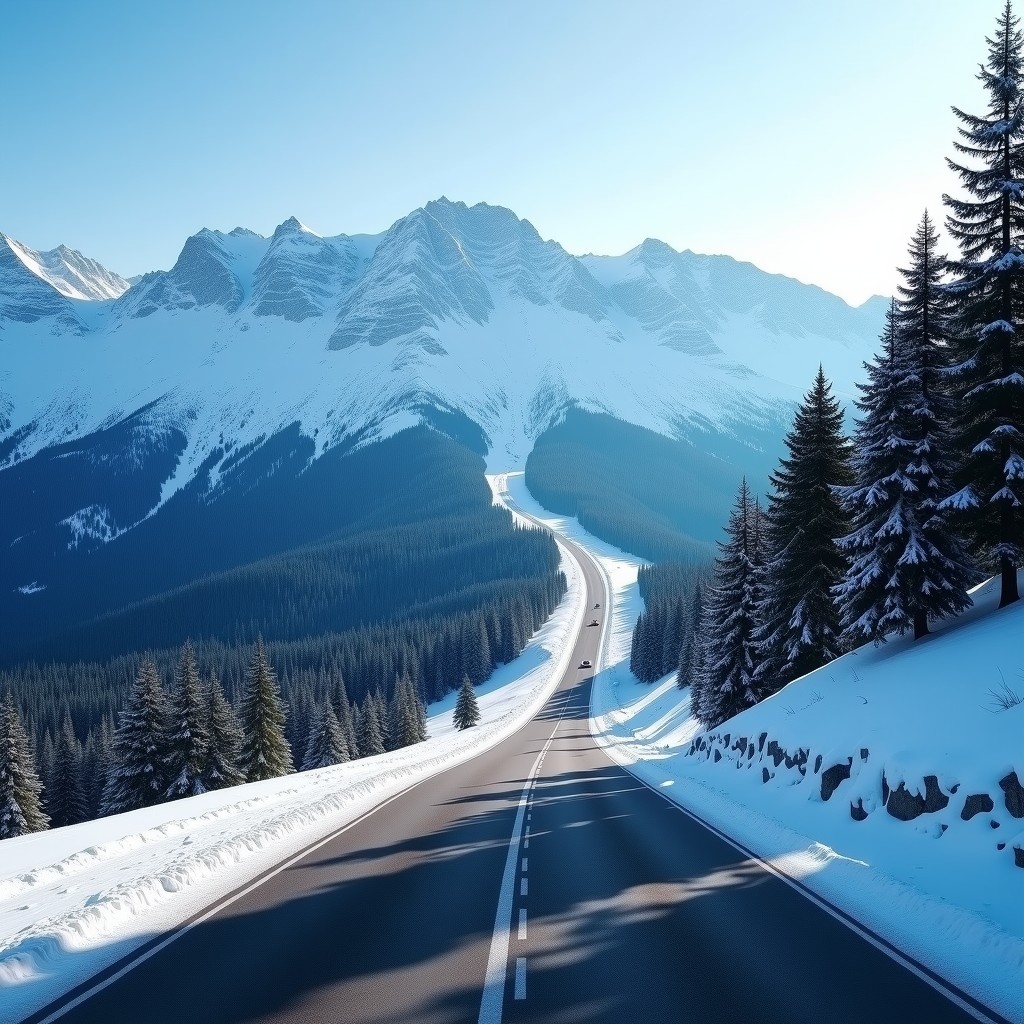
This is ski season, and road conditions reflect it. The main road from Raška to Kopaonik is cleared regularly, but the final climb can be icy and snowy. Expect:
- Snow and ice: Common above 1,000m. The road is ploughed, but icy patches remain.
- Fog: Frequent in the Ibar Valley and on the mountain approach. Drive cautiously.
- Chain requirements: In heavy snow, police may require snow chains on certain sections. Check conditions before departure.
Critical: Winter tyres are mandatory in Serbia from November to March on roads above 500m. All rental cars in ski season should have them, but always confirm with your rental company. Without proper tyres, you may be turned back by police — and more importantly, you won’t be safe.
Summer (June-September)
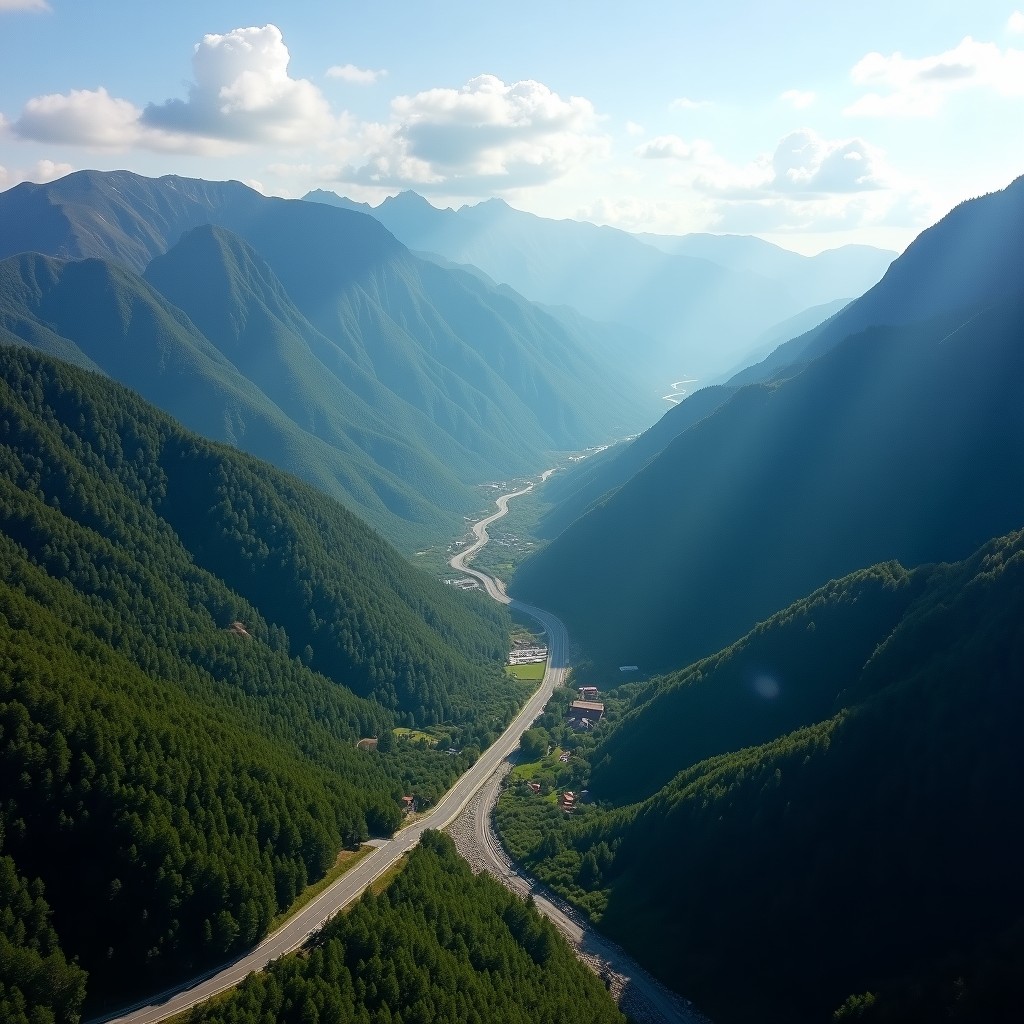
Roads are clear and dry. The drive is straightforward, with excellent visibility. The main hazards are:
- Tourist traffic: Weekends in July and August see heavy traffic, especially on the Kraljevo approach.
- Cyclists: Kopaonik is popular with road cyclists. Watch for bikes on the climbing sections.
- Wildlife: Early morning and evening, deer and foxes may cross roads in the national park.
Shoulder Seasons (April-May, October-November)
Variable conditions. You might encounter snow in late autumn or early spring. Check weather forecasts and road conditions before departing. The ski resort typically operates from December to March, with exact dates varying by snowfall.
Snow Chains and Winter Tyre Rules
Serbian law requires winter tyres (marked M+S, M.S, or M&S, with a snowflake symbol) from 1 November to 1 April on roads above 500m. This includes all routes to Kopaonik.
What to check with your rental company:
- Winter tyres: Confirm the car has them fitted before you book. This is non-negotiable for winter travel to Kopaonik.
- Snow chains: Some companies include them; others charge extra. You may not need them on the main road, but they’re essential if you’re staying in accommodation on smaller mountain roads.
- Emergency kit: In winter, ensure the car has reflective vests, a warning triangle, and a first-aid kit — all required by Serbian law.
For more on Serbian road rules and requirements, see our driving in Serbia guide.
What to See in Kopaonik
Kopaonik National Park
The national park covers 118km² of protected mountain terrain. Summer activities include:
- Hiking: Over 50km of marked trails ranging from easy walks to challenging full-day hikes
- Mountain biking: Dedicated bike park with lifts serving downhill trails, plus cross-country routes
- Views: The Pančić’s Peak viewpoint offers panoramic views across Serbia — on clear days, you can see as far as Kosovo and Bulgaria
Kopaonik Ski Resort
Serbia’s largest ski area with:
- 24 lifts serving 55km of runs
- Slopes for all levels from beginner to expert
- Ski schools, equipment rental, and après-ski facilities
- Night skiing on selected runs
Nearby Stops Worth the Detour
Studenica Monastery: A UNESCO World Heritage site about 40km from Kopaonik. Founded in the 12th century, it’s one of Serbia’s most important Orthodox monasteries. The frescos are extraordinary. Allow 1-2 hours for a visit.
Jošanička Banja: A spa town known for its thermal waters. A good place to break the journey, especially if you’re sore from skiing or hiking. Located between Raška and Kopaonik.
Žiča Monastery: Near Kraljevo, about 60km from Kopaonik. Another significant Orthodox site, known for its red façade. Worth visiting if you’re passing through Kraljevo.
Practical Tips for Rental Cars on Mountain Roads
- Brakes: Mountain driving is hard on brakes. Use engine braking on descents rather than riding the brakes. Downshift on steep sections.
- Fuel: Fill up in Kraljevo or Raška — fuel is more expensive on the mountain, and some smaller stations may not accept foreign cards.
- Parking: In ski season, reserve parking with your accommodation. Spaces fill up quickly in peak weeks.
- Navigation: GPS works fine, but download offline maps in case signal drops in the mountains.
- Emergency numbers: Police 192, Ambulance 194, Roadside assistance 1987
Where to Stay
Kopaonik offers a range of accommodation from luxury hotels to private apartments. For car travellers:
- Kopaonik resort centre: Most convenient for ski lifts, but parking can be tight. Reserve ahead in ski season.
- Raška (25km down the mountain): Cheaper accommodation, easy drive up to the resort. Good for summer visitors who don’t need ski-in/ski-out.
- Jošanička Banja: Spa hotels with thermal pools. A relaxing base after hiking or skiing.
FAQ: Driving to Kopaonik
Do I need a 4×4 to drive to Kopaonik in winter?
Not necessarily. The main road from Raška to Kopaonik is ploughed regularly, and a standard car with winter tyres can handle it. However, if you’re staying in accommodation on smaller mountain roads, a 4×4 or AWD vehicle provides additional safety and traction.
How long does it take to drive from Belgrade to Kopaonik?
About 4-5 hours in good conditions. In winter with snow or traffic, allow 5-6 hours. The route from Niš takes 1.5-2 hours.
Is there a toll road to Kopaonik?
The A2 highway from Belgrade to Čačak has tolls (payable in RSD cash or by card). The mountain road itself has no tolls. Total toll cost from Belgrade is around 300-400 RSD (€2.50-3.50).
What’s the best time of year to visit Kopaonik by car?
For skiing: January to March for best snow. For hiking and driving: May to June (spring flowers) or September to October (autumn colours, fewer crowds). Avoid April if snow is melting — roads can be muddy and trails unpleasant.
Can I rent ski equipment at Kopaonik?
Yes, there are multiple rental shops at the resort. Prices are reasonable compared to Western European resorts. If you’re driving, you don’t need to transport your own equipment — rent on arrival and save the luggage space.