Belgrade to Subotica Drive | From €15/day | Car Hire Serbia
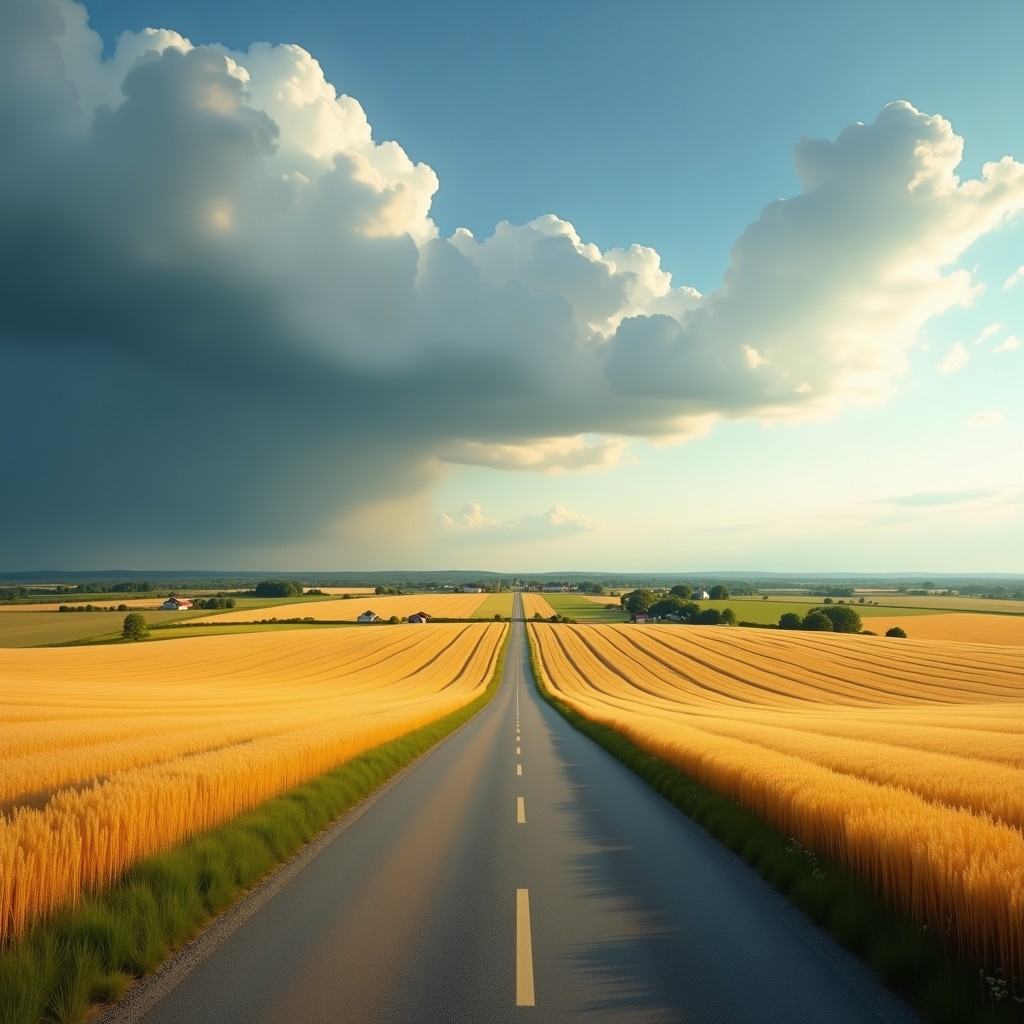
Belgrade to Subotica is a 170-kilometre drive through the flat agricultural north of Serbia — the Vojvodina region, one of Europe’s most productive farming plains. It’s not the dramatic mountain scenery of southern Serbia, but it’s a genuinely interesting drive if you want to understand the country’s other half. The road is straight, the landscape is expansive, and Subotica itself is one of the most architecturally distinctive cities in the Balkans.
The drive takes about 2 hours on the A-1 motorway (which is toll-free, interestingly — Serbia’s motorways north of Belgrade are toll-free), or 2h30 to 3 hours on the older M-3 national road that runs parallel and passes through several small towns along the way.
Route 1: A-1 Motorway (Faster, ~2h)
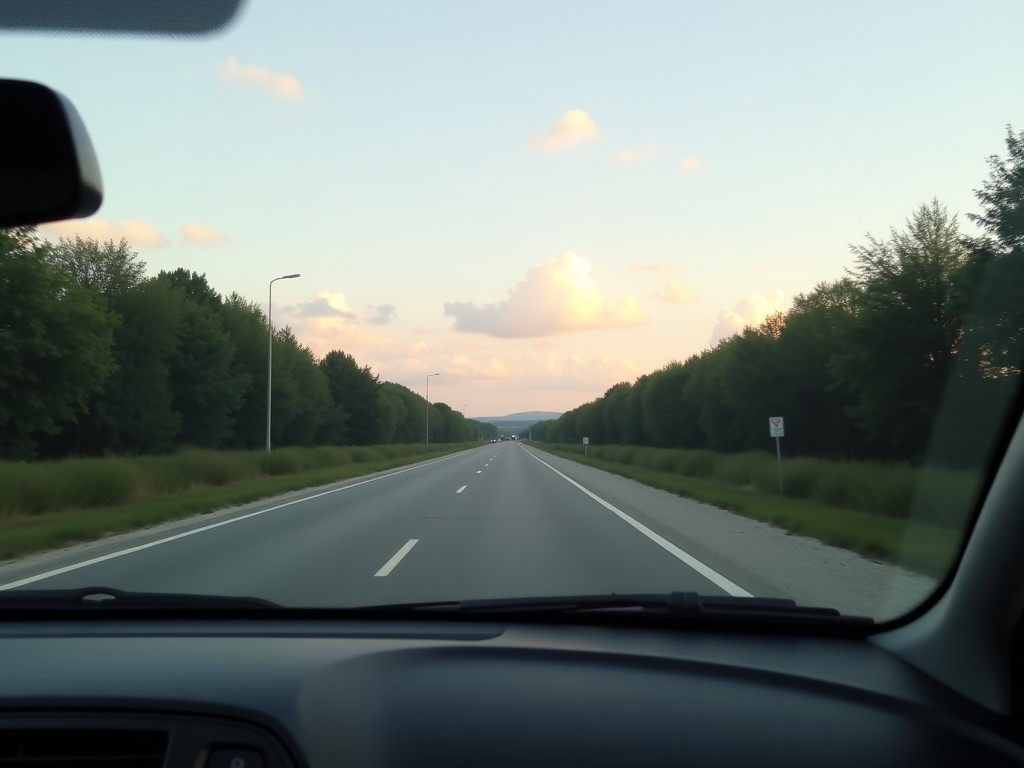
The A-1 heading north from Belgrade is a proper modern motorway — two lanes each way, in good condition, and notably toll-free for its entire length between Belgrade and Subotica. This is unusual in Serbia, where most motorways carry a toll. The road cuts straight across the Vojvodina plain, past Novi Sad (which you’ll skirt to the east, with the city’s distinctive Petrovaradin Fortress visible on the horizon to the north as you pass), through flat farmland that stretches to the horizon on both sides.
The M-3 branches off the A-1 near Ruma, about 40 kilometres north of Belgrade. You stay on the A-1 until the Subotica south interchange, where you exit and take the regional road the final 15 kilometres into Subotica’s city centre. The motorway is quiet even on summer weekends — Vojvodina isn’t a tourist route, mostly freight and local traffic.
Route 2: M-3 National Road (Scenic, ~2h45)
The M-3 runs parallel to the A-1 and passes through the towns that the motorway bypasses: Ruma, Irig, Novi Sad (you go through the city rather than around it), then the smaller settlements of Srbobran, and Vrbas before reaching Subotica.
The Novi Sad section of the M-3 is the most interesting — you enter the city from the south on the main boulevard, pass the University of Novi Sad campus, cross the Danube on the Ratio Bridge, and exit northward toward Subotica. Petrovaradin Fortress is directly across the Danube from the bridge and is worth pulling over for a photo stop if you’re on this route.
The M-3 is a single to double-lane road with passing opportunities. It’s not a difficult drive — the terrain is completely flat — but it’s slower than the motorway and you’ll encounter tractors and slow-moving agricultural vehicles, especially in harvest season (September–October).
Driving Conditions by Season
Summer: Straightforward. The roads are quiet, the flat terrain means no mountain weather complications, and visibility is excellent across the open farmland. The main risk is afternoon thunderstorms rolling in from the north — these can come through quickly in July and August and reduce visibility significantly on the motorway. If you see a dark wall ahead, slow down and wait it out rather than pushing through.
Autumn and Harvest Season: The M-3 becomes genuinely busy with agricultural machinery from September through October. Tractors, combine harvesters, and grain trucks are a constant presence on the smaller roads. Leave extra time and don’t pass on curves. The A-1 motorway is less affected but still sees more truck traffic than usual.
Winter: The flat terrain means snow doesn’t accumulate in the same way it does in the mountains, but Vojvodina is exposed and the wind can be severe. The A-1 has been closed briefly during heavy snow events — not common, but possible in December and January. Winter tyres are advisable if you’re driving November through March. Fog is the bigger concern: Vojvodina’s flat fields fog up heavily on cold mornings, particularly in December and January, and visibility can drop to under 100 metres on the motorway.
Spring: The best driving season for this route in my view. The fields are green, the roads are quiet, and the weather is stable. May and June are particularly good — comfortable temperatures and long daylight hours.
What to See in Subotica
Subotica is unlike any other city in Serbia — and that’s precisely why you should make the drive. The city was part of the Austro-Hungarian Empire until 1918, and its architecture reflects that. The city centre is an extraordinary collection of fin-de-siècle Secessionist buildings in vivid colours — deep blues, yellows, and reds — with elaborate decorative facades that you simply don’t see elsewhere in Serbia.
The main square, Trg slobode, is flanked by the City Hall (Gradska kuća) and the National Theatre, both built around 1900 in the Hungarian Secession style. The Synagogue, also from this period, is one of the largest in Southeast Europe — Subotica had a significant Jewish community before the Second World War, and the building is a quiet memorial to that history.
Palic Lake, 8 kilometres from the city centre, is the other reason people come to Subotica. The lake and its surrounding park is a protected nature area with walking trails, a beach, and the unusual Hudrawn ice house (built in the 1800s to store ice for the brewery — now a restaurant and bar). It’s a pleasant half-day from the city.
What This Drive Costs
Fuel: The 170-kilometre route uses roughly 10-12 litres in a standard compact rental. At current Serbian fuel prices (around €1.50 per litre), that’s approximately €15-€18 for the one-way trip.
Tolls: The A-1 between Belgrade and Subotica is toll-free — one of the few toll-free motorway sections in Serbia. The M-3 is also free. The only toll you’d encounter is if you took the longer route via the A-1 to Novi Sad and then the M-3 north — still no tolls on any of these roads.
Total estimated cost (one-way): Approximately €18-€25 in a standard rental, covering fuel and no tolls.
Crossing the Hungarian Border from Subotica
Subotica is 10 kilometres from the Hungarian border at Kelebija/Tompa. If you’re continuing into Hungary, the border crossing at Tompa is a major crossing point — busy with trucks, particularly weekday mornings. Allow extra time at peak truck hours (7–10 AM). The crossing into Hungary is usually straightforward for EU citizens; non-EU citizens may have longer queue times. Carry your vehicle documentation and passport.
From Subotica to Szeged (Hungary’s nearest major city) is about 45 minutes on the M5 motorway, which continues north from the border. Szeged is famous for its paprika, its university, and its extraordinary Art Nouveau architecture.
Car Hire for the Belgrade to Subotica Drive
Most rental desks in Belgrade offer unlimited mileage on domestic routes, but confirm this before you pick up — some budget policies cap daily mileage at 200km on longer routes. A standard compact is perfectly adequate for this drive; the roads are flat and well-maintained, so there’s no need for a larger vehicle unless you’re planning to continue into Hungary or the mountain regions.
One-way drop-off between Belgrade and Subotica is possible but check with your company — some Serbian operators charge a one-way fee for the 170-kilometre drop, typically €20-€35. Returning the car to Subotica and taking a bus back to Belgrade is a practical option if you want to leave the car in Subotica for a few days.
Summary
The Belgrade to Subotica drive is a straightforward 2-hour trip through Vojvodina’s flat farmland — no mountain complications, no expensive tolls, just wide skies and a rewarding destination. Take the motorway if you want to get there quickly; take the M-3 if you want to pass through Novi Sad and have a look at the Danube. Subotica itself is the reason for the trip — a city that looks like nowhere else in Serbia, with Austro-Hungarian architecture in colours that should not work together but somehow do.
Ready to book? Visit our homepage for the best hire car deals.