Serbia Road Trip Itinerary: 7 Days From Belgrade to the South (With Route Map)
Why Serbia Deserves a Full Road Trip
Most people who visit Serbia spend a few days in Belgrade and leave. That’s a shame, because the country gets genuinely interesting once you get out of the capital. In seven days with a hire car, you can take in a second city, a Roman fortress, a mountain ski resort, a UNESCO monastery, and a legendary mountain railway — all while driving through countryside that very few foreign visitors have seen.
This Serbia road trip itinerary is a loop — you start and end in Belgrade, so you only need to sort one hire car pickup and return. It covers roughly 1,100km over seven days, which averages out to about 160km per day. Some days are longer drives, some are short, and a couple of days have almost no driving at all.
You can do this trip in any direction, but we suggest going south through Niš first, then swinging west through the mountains, and coming back up to Belgrade via Zlatibor and Mokra Gora. The scenery gets progressively better as you go, which is a nice way to structure it.
Ready? Pick up your hire car in Belgrade and let’s go.
Day 1: Belgrade — Arrive and Explore
Driving: 0km
Spend your first day getting your bearings in Belgrade. Pick up your hire car from the airport or city centre, check into your accommodation, and walk.
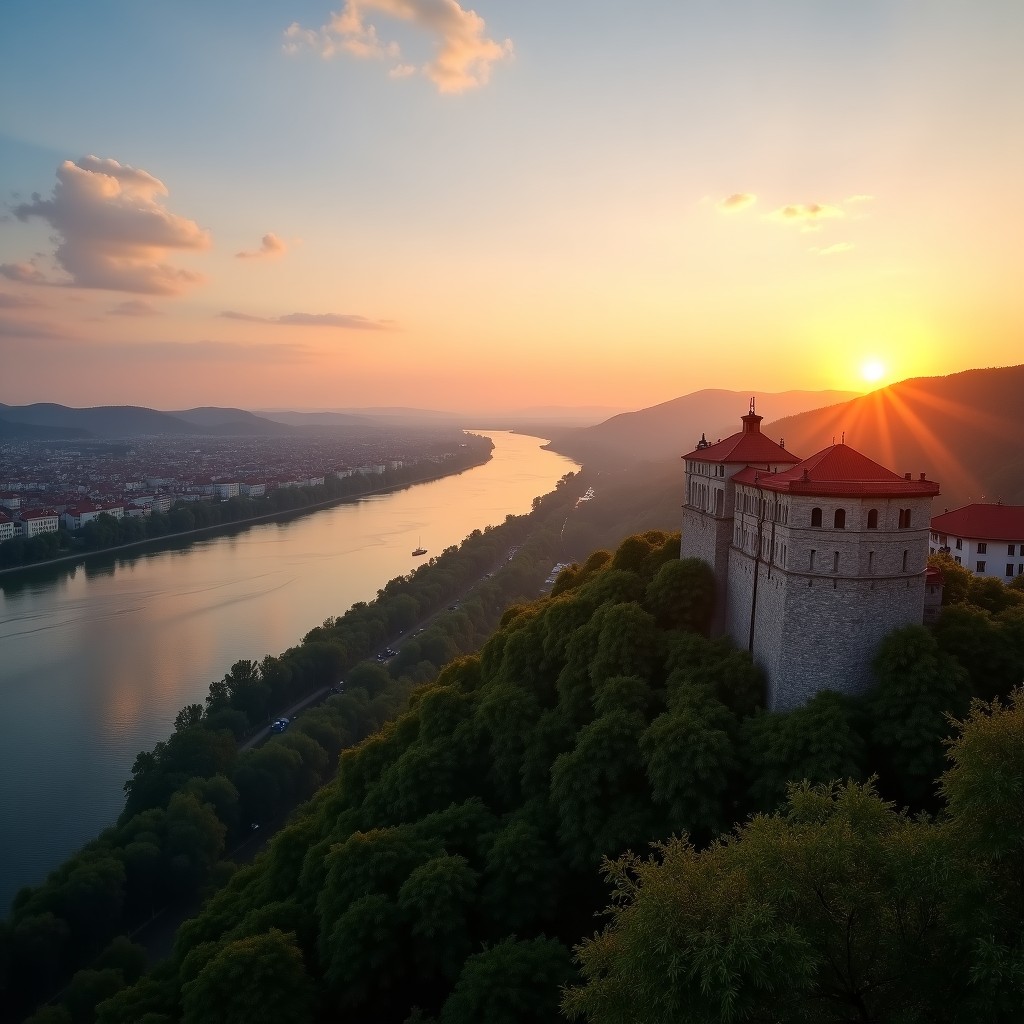
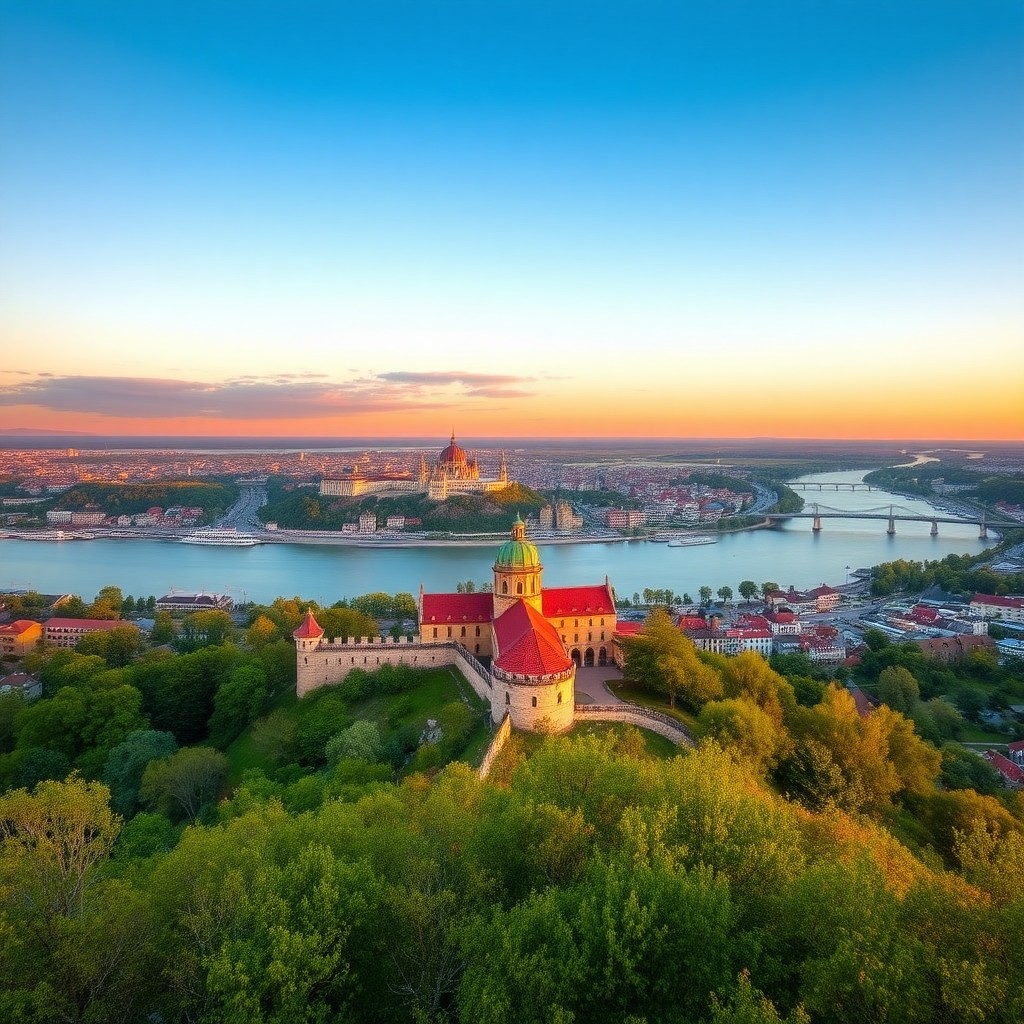
Kalemegdan Fortress should be your first stop. It sits on a hill above the confluence of the Sava and Danube rivers, and the views are brilliant at sunset. It’s free to enter, it’s enormous, and it gives you a good physical sense of the city’s history. The Romans built here. The Byzantines. The Ottomans. The Habsburgs. Everyone who wanted to control this part of the Balkans understood that whoever holds Kalemegdan holds the region.
After the fortress, walk down into Skadarlija — Belgrade’s old bohemian quarter. Cobblestones, traditional restaurants (called kafanas), live music. It’s a bit touristy but genuinely atmospheric, especially in the evening. Order the grilled meats and a carafe of local wine.
Where to stay in Belgrade: Hostel Mosaic House or Generator Belgrade for budget. Hotel Mona or Falkensteiner Hotel Belgrade for mid-range. Budget roughly €40-80 per night for a decent double.
Day 2: Belgrade to Novi Sad — 90km, About 1 Hour
Driving: 90km via A1 motorway
This is an easy morning drive. You’re on the A1 motorway heading north — modern road, clearly signed, toll of about 200 dinars (roughly €1.70). You’ll be in Novi Sad before you’ve finished your coffee thermos.
The centrepiece of Novi Sad is Petrovaradin Fortress — it sits on a bluff above the Danube and the main city is spread out below it. Walk the walls, visit the military museum inside, and spend time just looking at the view. This is the venue for the EXIT music festival every July, which explains why the setting is so dramatic.
Down in the old town, the pedestrian zone along Zmaj Jovina Street is good for coffee, lunch, and a wander. The city has a noticeably different feel to Belgrade — calmer, more café culture, strong Hungarian influence from its proximity to the border.
In the afternoon, drive the Fruška Gora wine route. The hills between Novi Sad and Belgrade are covered in small wineries — this is one of Serbia’s best wine regions and the estates are easy to visit without a booking. Pick up a few bottles for the rest of the trip.
Where to stay in Novi Sad: Hostel Sova for budget (excellent location). Hotel Centar for mid-range. Budget €30-60 per night.
Day 3: Novi Sad to Niš — 290km, About 3 Hours
Driving: 290km via A1/E75 motorway south
This is the longest drive day on the itinerary — head south on the E75, the main motorway connecting Belgrade to the Greek border. The road is good, mostly motorway, and the drive through central Serbia is pleasant enough (rolling hills, small towns, occasional roadside food stops with good pastries and coffee).
Niš is Serbia’s third city and has a completely different atmosphere to Belgrade or Novi Sad — more southern, more Ottoman influence in the architecture, and a brilliant food scene. It’s also one of the most historically interesting cities in the Balkans.
Niš Fortress is right in the centre and is one of the better-preserved Ottoman fortresses in the region — you can walk the walls and it’s completely free. But the most striking thing in Niš is Skull Tower (Ćele Kula). In 1809, after a failed Serbian uprising, the Ottoman commander had the skulls of 952 Serbian soldiers built into a tower as a warning. Most of the skulls are gone now, but enough remain to make it deeply unsettling. It’s a 15-minute walk from the fortress.
For dinner, Niš is famous for its grilled meat — specifically the Niška mućkalica (slow-cooked pork with peppers and tomatoes) and the local grills. The old bazaar area near the fortress has plenty of good options at low prices.
Where to stay in Niš: Hostel Indigo for budget. Hotel Panorama or Hotel My Place for mid-range. Budget €25-55 per night — cheaper than Belgrade.
Day 4: Niš to Kopaonik — 130km, About 2 Hours
Driving: 130km via regional roads heading northwest
Kopaonik is Serbia’s main ski resort, and in winter it’s packed with skiers from across the region. In summer it’s something different — a high mountain plateau at around 1,700m elevation, with hiking trails, cool temperatures, and views across the mountains. If you’re doing this trip in July or August when Belgrade and Niš are hot and humid, a night at Kopaonik is genuinely refreshing.
The drive from Niš takes you northwest through Kuršumlija and then up into the mountains. The last 30km up to the resort is winding mountain road — scenic, not difficult. You need a standard hire car, nothing special.
At Kopaonik, the Suva Rudnica peak (1,975m) is accessible via a chairlift that runs in summer. The views from the top extend across central Serbia and, on clear days, into Kosovo and Montenegro. There are marked hiking trails at various difficulty levels — even a gentle 2-hour walk through the forests is worthwhile.
The resort village has restaurants and cafes — prices are slightly higher than the rest of Serbia but not unreasonable.
Where to stay near Kopaonik: Hotel Junior or Konaci Kopaonik for mid-range. Budget €40-80 per night in summer (winter rates are significantly higher).
Day 5: Kopaonik to Studenica Monastery to Zlatibor — 180km, About 3.5 Hours Total
Driving: 55km Kopaonik to Studenica + 125km Studenica to Zlatibor via Čačak
This is the most culturally rich day of the trip. You’re heading northwest, and the first stop is one of the most important sites in Serbia.
Studenica Monastery is UNESCO World Heritage listed — founded in the 12th century, it’s the most important medieval monastery in Serbia and the mausoleum of the Nemanjić dynasty that created the Serbian medieval state. The frescoes inside the main church (Church of the Virgin) are extraordinary for their age and quality. The monastery is still active — monks live here, services are held, the pace is quiet and deliberate.
Plan about 1.5 hours at Studenica. The valley it sits in is beautiful — forested hills, a small river, almost no noise except the occasional bell from the monastery tower.
From Studenica, continue northwest through Čačak (stop for lunch — good local restaurants and a pleasant town centre) and then keep going west and south toward Zlatibor. The drive through this part of Serbia is some of the nicest on the whole trip — hills, small villages, old wooden buildings.
Zlatibor is a mountain resort plateau in western Serbia, popular with Serbian families on weekend breaks. In summer it’s green and pleasant, with a cool mountain climate, walking trails, and a laid-back pace. The town itself is a bit resort-ish (hotels, souvenir shops, outdoor gear) but the surrounding countryside is lovely.
Where to stay in Zlatibor: There are dozens of apartments and guesthouses — search Booking.com for “Zlatibor apartment”. Budget €30-60 per night for good-quality private apartments. This is often better value than the hotels.
Day 6: Zlatibor to Mokra Gora to Belgrade — 250km, About 3.5 Hours Driving
Driving: 30km Zlatibor to Mokra Gora + 220km Mokra Gora to Belgrade via Užice and Čačak
The morning is about the Sargan 8 mountain railway at Mokra Gora. This is a narrow-gauge heritage railway that winds through the mountains in a figure-eight pattern, climbing 300m over about 15km. It was built in 1925, abandoned, and then restored in the 1970s partly as a tourist attraction (director Emir Kusturica filmed parts of the movie “Life is a Miracle” here). The steam train runs several times daily in summer.
Take the morning train (usually departs around 9:30am or 10am — check the timetable at the station) and you’ll be back in Mokra Gora by lunchtime. The journey is genuinely spectacular — mountain valleys, viaducts, steep forested slopes. Even if you’re not usually a heritage railway person, this is worth doing.
While you’re in Mokra Gora, walk up to Drvengrad (Kustendorf) — the village Kusturica built for his film and now operates as an arts village and small hotel. It’s surreal and interesting regardless of what you think of the director.
After lunch, it’s a fairly long drive back to Belgrade via Užice. The E763 motorway takes you most of the way — good road, straightforward driving. You should be back in Belgrade by early evening.
Tip: If you want to avoid a long Day 6 drive, you can split this differently — stay in Mokra Gora on Day 6 and drive to Belgrade on Day 7. Lots of accommodation options in the area.
Day 7: Return to Belgrade
Driving: 0km (or see above)
If you followed the route as described, you arrived back in Belgrade on Day 6 evening. Use Day 7 for anything you missed on Day 1 — the Republic Square, the National Museum (recently reopened after a long renovation, worth a visit), or a walk across the Branko’s Bridge to the new waterfront development on the Sava.
Return your hire car at the agreed time — most city centre offices are happy with morning returns, and the airport is always an option if your flight is early.
Practical Planning: What You Need to Know
Total Distance and Driving Time
- Total distance: approximately 1,100km over 7 days
- Average driving per day: 155km (some days much shorter, Day 3 is the longest at 290km)
- Total driving time: roughly 14-16 hours across the week
Fuel Cost Estimate
Serbia fuel prices at time of writing are around 175-190 dinars per litre for unleaded 95 (roughly €1.50-1.60/litre). For a standard mid-size hire car at around 7 litres per 100km, 1,100km would use about 77 litres. That’s roughly €115-125 in fuel for the whole week. Budget €150 to be comfortable.
Car Hire Advice
Pick up your car in Belgrade — rates are more competitive than at smaller Serbian cities. Return it to Belgrade too (the loop means you don’t need a one-way rental, which avoids drop-off fees). A standard saloon or small crossover is fine for this route — you don’t need 4WD for any of these roads. Check that your policy covers mountain roads if you’re going to Kopaonik in winter.
Book your Belgrade car hire in advance, especially in summer (July-August) when vehicles sell out fast. If you’re arriving from neighbouring countries — say, Croatia — crocarhire.com can arrange cross-border rentals that drop off in Serbia.
Budget for the Trip
- Accommodation: €30-70/night (budget to mid-range) = €210-490 for 7 nights
- Fuel: ~€150 for the week
- Car hire: €150-300 depending on vehicle and season
- Food: Serbia is good value — budget €20-30/day for meals, easily doable
- Entrance fees: Most monasteries and fortresses are free or very low cost (€1-3)
- Total estimate: €800-1,200 per person all-in for a week (excluding flights)
Frequently Asked Questions
What is the best time of year for a Serbia road trip?
Late spring (May-June) and early autumn (September-October) are ideal — good weather, fewer crowds than summer, and the countryside is at its best. July and August work but can be very hot in the south (Niš regularly hits 38°C+). Winter is possible but mountain roads to Kopaonik and Zlatibor need snow tyres or chains.
Do I need to book accommodation in advance in Serbia?
In Belgrade and Novi Sad, booking 2-3 weeks ahead in summer is sensible. For Kopaonik and Zlatibor in July-August (peak Serbian domestic tourist season), book as early as possible — these resorts fill up. Niš and Studenica area are generally fine with shorter notice.
Are the roads good enough for a road trip in Serbia?
The motorway network (A1, E75, E763) is modern and well-maintained. Regional roads vary — most are fine for a standard hire car, though some rural roads in the mountains can be narrow and have potholes. The roads to Studenica and through Tara National Park are the most demanding on this itinerary, but not difficult.
Can I hire a car in Belgrade for a road trip to Niš and the south?
Yes, absolutely. Car hire in Niš is also available if you’d prefer to pick up there, but Belgrade generally has more choice and better rates. Most hire companies are happy for you to drive anywhere in Serbia with no restrictions. Check for cross-border rules if you want to extend into Kosovo or North Macedonia.
How much Serbian dinar should I carry on a road trip?
Serbia is increasingly card-friendly in cities, but cash is still useful for rural areas, small restaurants, fuel at some smaller stations, and entrance fees. Carrying €100-150 worth of dinars at any one time is usually plenty. ATMs are easy to find in Belgrade, Novi Sad, and Niš.