Winter Driving in Serbia: Essential Tips for Safe Travel
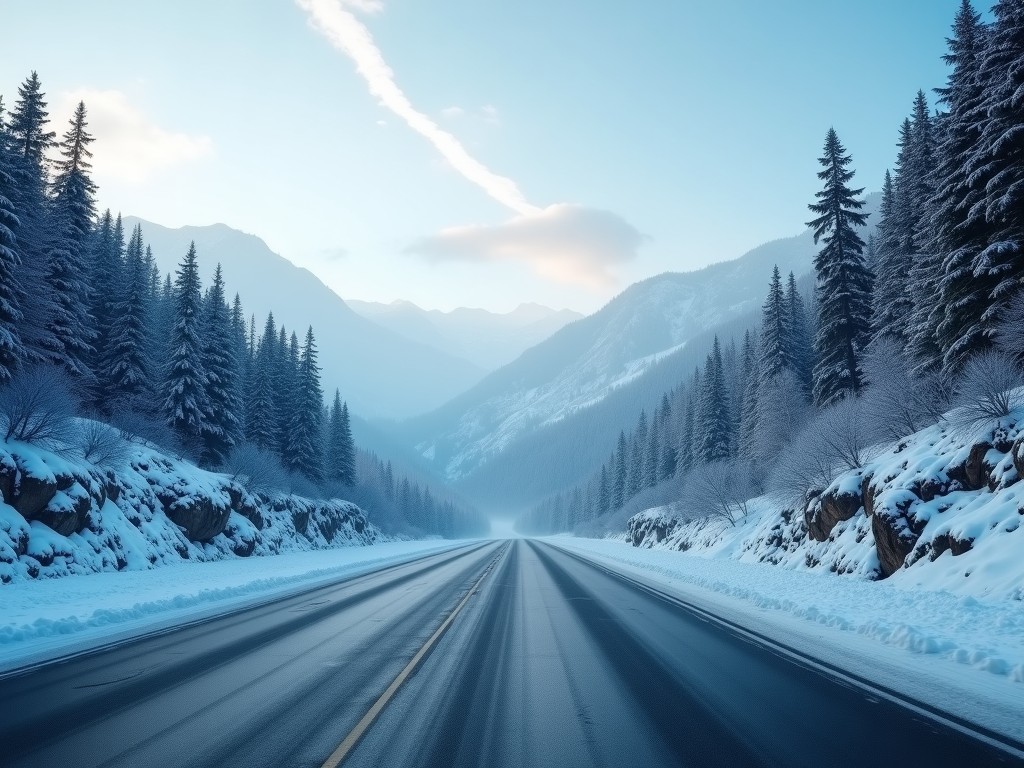
Serbian winter driving isn't for the unprepared. From November through April, the country transforms. Mountain passes close, snow chains become essential, and the law requires winter tyres on all vehicles. If you're renting a car during these months, you need to know what you're getting into. The mountains around Kopaonik and Zlatibor become winter sports destinations, but the roads to reach them are serious business. Even the main highways can be treacherous during storms. This guide covers the legal requirements, the practical realities, and what to expect from your rental car when temperatures drop and snow starts falling.
Winter Tyre Law: What You Must Know
Serbian law is clear: winter tyres are mandatory from November 1st to April 1st. This isn't a suggestion — it's a legal requirement, and police checkpoints enforce it. If you're caught without winter tyres during these dates, you'll be fined on the spot and potentially prevented from continuing your journey. When you rent a car in winter, confirm with the rental company that the vehicle has winter tyres fitted. Most do this automatically, but you should verify. Ask specifically — don't assume. The tyres should have the M+S marking (mud and snow) or the newer three-peak mountain snowflake symbol. All-season tyres with M+S marking are legally acceptable, though dedicated winter tyres perform better in heavy snow. Your rental agreement should note that winter tyres are included. If it doesn't, ask for written confirmation. This protects you if you're stopped at a checkpoint.
Mountain Passes: Which to Avoid
Serbia's mountain passes are spectacular in summer and treacherous in winter. The most dangerous is the Ibar Highway heading south from Belgrade towards Raška and Novi Pazar. This road climbs to over 1,000 metres and is prone to heavy snow, black ice, and sudden weather changes. In bad conditions, it can take hours to clear. If you're heading to Kopaonik ski resort, the approach roads are regularly cleared but still demanding. Zlatibor is more accessible — the main road from Užice is usually in reasonable condition. The highway to Niš (A1) stays open year-round and is maintained well, but side roads off it can be problematic. The golden rule: if you're not confident driving in snow, stick to the main highways and avoid mountain routes. If conditions are bad, delay your journey. Serbian drivers are used to winter conditions and won't slow down for you.
Rental Cars: What's Included?
Winter preparation varies by rental company. The basics should always be there: winter tyres and a functioning heater. But the details matter. Ask specifically: are snow chains included? Most companies don't provide them as standard, but they should be available on request for mountain driving. Is the car equipped with winter washer fluid? Regular fluid freezes in Serbian winters. What about an ice scraper and snow brush? These should be in the car — if they're not, ask for them. Check the tyre tread depth when you pick up the car. Legal minimum is 1.6mm, but for winter you want at least 3-4mm. Check the spare tyre too — it should be a proper spare, not a space-saver, and should also be a winter tyre. Finally, confirm the emergency number for your rental company and save it in your phone. Breakdowns happen more in winter, and you don't want to be stranded without a contact.
Driving Techniques for Snow and Ice
Serbian mountain roads demand respect in winter. The basics: reduce your speed dramatically. Posted limits are for ideal conditions — in snow, halve them. Increase your following distance. On ice, you need four times the normal stopping distance. Gentle inputs are key — smooth steering, gradual braking, light acceleration. Jerky movements break traction. If you start to slide, steer into it. If the back slides right, steer right. Don't panic and don't brake hard — that makes it worse. On hills, maintain momentum but don't rush. If you lose traction going uphill, you might not get started again. Going downhill, use a low gear and let the engine do the braking. If you have to stop on a hill, leave plenty of room to get moving again. And never pass snow ploughs — the road behind them is always better than the road ahead.
Emergency Kit Essentials
Your rental car should have the legal minimum, but you should carry extras. Essential items: warm clothing and a blanket — if you break down, heating drains the battery fast. Water and snacks — you might be waiting hours for recovery. A fully charged power bank for your phone — cold drains batteries quickly. A torch — winter days are short and mountain roads are unlit. Sunglasses — snow glare is blinding. A shovel — if you slide off, you might need to dig yourself out. Kitty litter or sand — provides traction if you're stuck on ice. Maps downloaded offline — mobile signal is patchy in mountains. And cash — some rural petrol stations don't take cards. Your rental company won't provide these, so pack them yourself.
Best Winter Routes
Not all Serbian winter driving is dangerous. The A1 motorway from Belgrade to Niš is usually well-maintained and safe year-round. It's the mountain roads that cause problems. If you're heading to ski resorts, Kopaonik is accessible via the A1 to Raška, then the well-maintained mountain road. Zlatibor is easier — the main road from Užice is regularly cleared. For a scenic but manageable winter drive, try Belgrade to Novi Sad. The A1 and connecting roads are flat and well-salted. Even in heavy snow, this route usually stays open. Avoid any cross-country mountain routes unless you have experience and proper equipment. And always check conditions before you leave — the Serbian traffic police website and local radio provide updates on road closures and conditions.
More Balkan road trip ideas
Frequently Asked Questions
When are winter tyres mandatory in Serbia?
By law, from November 1st to April 1st. Police checkpoints enforce this, and fines apply for non-compliance.
Do rental cars in Serbia come with winter tyres in winter?
Most do, but you must verify when booking. Ask specifically and get written confirmation. Don't assume — check your rental agreement.
Are snow chains included with rental cars?
Usually not as standard, but available on request for mountain driving. Ask when booking if you're heading to ski resorts.
Which roads should I avoid in Serbian winter?
Mountain passes like the Ibar Highway and high-altitude routes to Kopaonik in bad weather. Stick to main highways (A1) when conditions are poor.
What should I do if I get stuck in snow?
Stay with the car, keep warm, call your rental company's emergency number. Don't try to dig yourself out unless safe to do so.
Final word
Winter driving in Serbia is manageable with proper preparation. Winter tyres are mandatory, mountain roads demand respect, and your rental car needs checking before you set off. Book with a reputable company, confirm winter equipment is included, and drive carefully. The mountains are beautiful in winter — just make sure you're equipped to enjoy them safely.
No hidden fees. Free cancellation on many deals. Compare the major suppliers before you book.