Belgrade to Novi Sad by Car: Why This 80km Drive Is Worth It
Novi Sad sits just 80 kilometres north of Belgrade, and I’ll be honest—the drive takes less time than some people spend commuting to work. About 45 minutes on the E75 highway and you’re there. But what makes this short journey worthwhile isn’t just the destination (though Serbia’s second city has plenty to offer). It’s the freedom to explore beyond the city centre, to visit the famous EXIT festival venue without relying on shuttle buses, to discover the wineries of Fruška Gora, and to see the Danube from both its banks.
I’ve made this trip several times, both as a day trip from Belgrade and as a leisurely weekend. The day trip version works perfectly if you start early—you can see Petrovaradin Fortress, wander the old town, have a proper Serbian lunch, and still be back in Belgrade for dinner. But if you have the luxury of time, staying overnight lets you experience Novi Sad’s surprisingly good nightlife and explore the surrounding National Park at a more relaxed pace.
Here’s everything you need for a Belgrade to Novi Sad road trip, whether you’re doing it in a day or stretching it into a weekend.
The Drive: E75 Highway Quick and Easy
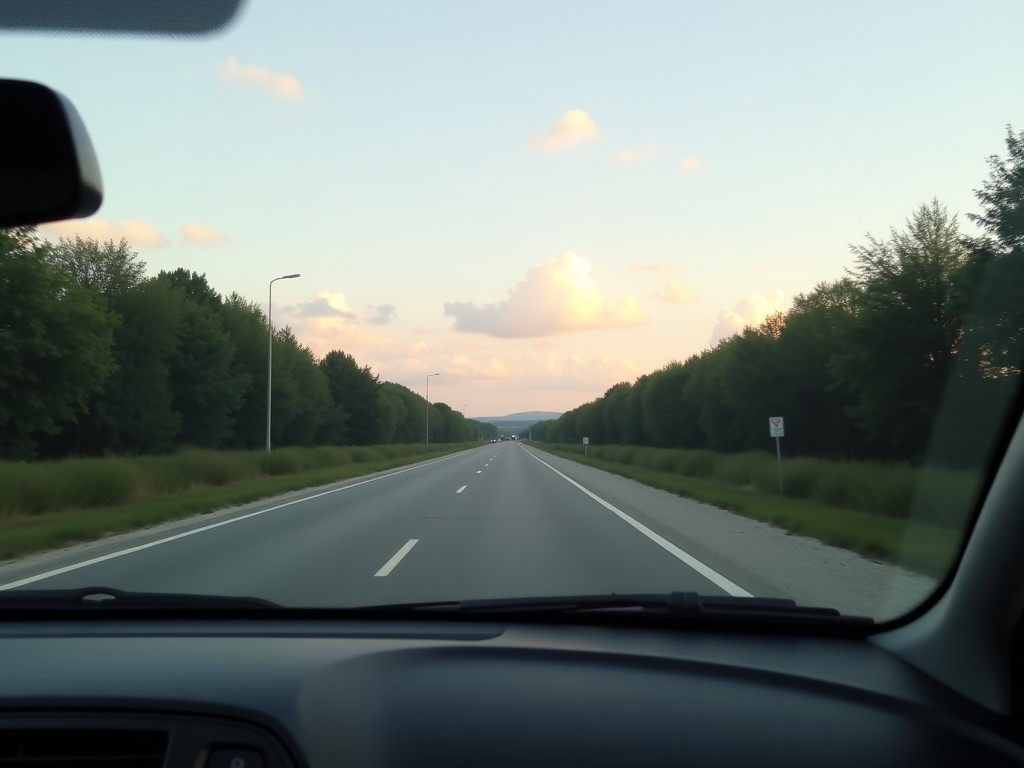
The route from Belgrade to Novi Sad couldn’t be simpler. Head north out of Belgrade on the E75 highway and stay on it for about 70 kilometres. The road is a modern four-lane motorway, well-maintained, and generally uncongested outside of rush hour. Exit at Novi Sad and follow signs for the city centre.
The drive takes 45-60 minutes depending on traffic. There’s one toll booth on the route, charging around 100 RSD (roughly €0.85) for a standard car. You can pay in cash or use the ETC electronic toll system if your rental car is equipped—most rental companies in Serbia provide ETC tags, which speeds things up.
Fuel stations line the highway every 20-30 kilometres, so there’s no need to worry about filling up beforehand. Petrol in Serbia costs about €1.45-1.55 per litre, which is cheaper than in most of Western Europe but slightly more expensive than in neighbouring Bosnia or Bulgaria.
One thing to watch: the speed limit on Serbian highways is 130 km/h, but it drops to 100 km/h near junctions and exits. Traffic police frequently set up speed cameras and checkpoints, especially on weekends. Stick to the limits—the fines aren’t huge, but why end a day trip with a €40 ticket?
If you want a more scenic route, take the old road (Route 101) that runs parallel to the highway. It passes through small towns and farmland, adding about 20 minutes to the journey but giving you a better sense of the Vojvodina region. I’d only recommend this if you’re not pressed for time, as the highway is genuinely pleasant compared to most European motorways.
Petrovaradin Fortress: The EXIT Festival Icon
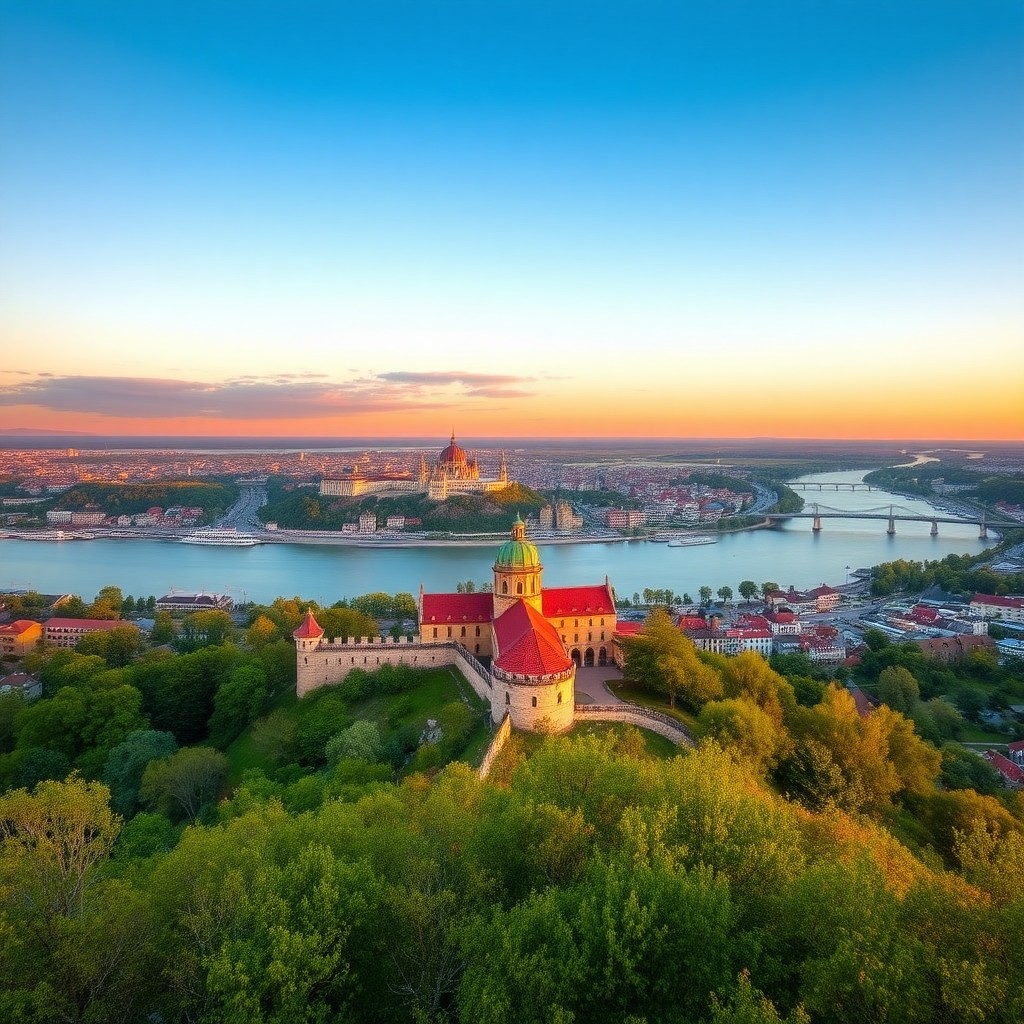
Your first stop should be Petrovaradin Fortress, on the right bank of the Danube overlooking Novi Sad. This is one of the best-preserved 18th-century fortifications in Europe, and it’s famous internationally as the venue for EXIT Festival—Serbia’s massive summer music festival that draws over 200,000 people each July.
Parking at the fortress costs about 100-150 RSD (€0.85-1.30) per hour during the day. There are several lots on the upper plateau closest to the clock tower. Avoid the parking along the river road below if possible—it fills up quickly and involves a steep walk up to the fortress.
The fortress covers over 112 hectares, and you could easily spend half a day exploring it. Key attractions include the iconic clock tower with its unusual reversed hands (the small hand shows minutes, the large hand shows hours—supposedly so fishermen on the Danube could see the time from a distance), the extensive underground military tunnels, and the panoramic views from the upper plateau.
The tunnels are fascinating—over 16 kilometres of them, built to supply and defend the fortress. Guided tours run regularly and cost around 300 RSD (€2.50). Bring a jacket; the tunnels stay cool even in summer.
Even if you’re not interested in military history, come for the views. The terrace cafes on the upper plateau offer unrivalled panoramas over Novi Sad and the Danube. It’s particularly beautiful at sunset, which is why this is such a popular spot for evening drinks and dates.
Novi Sad Old Town and the Danube
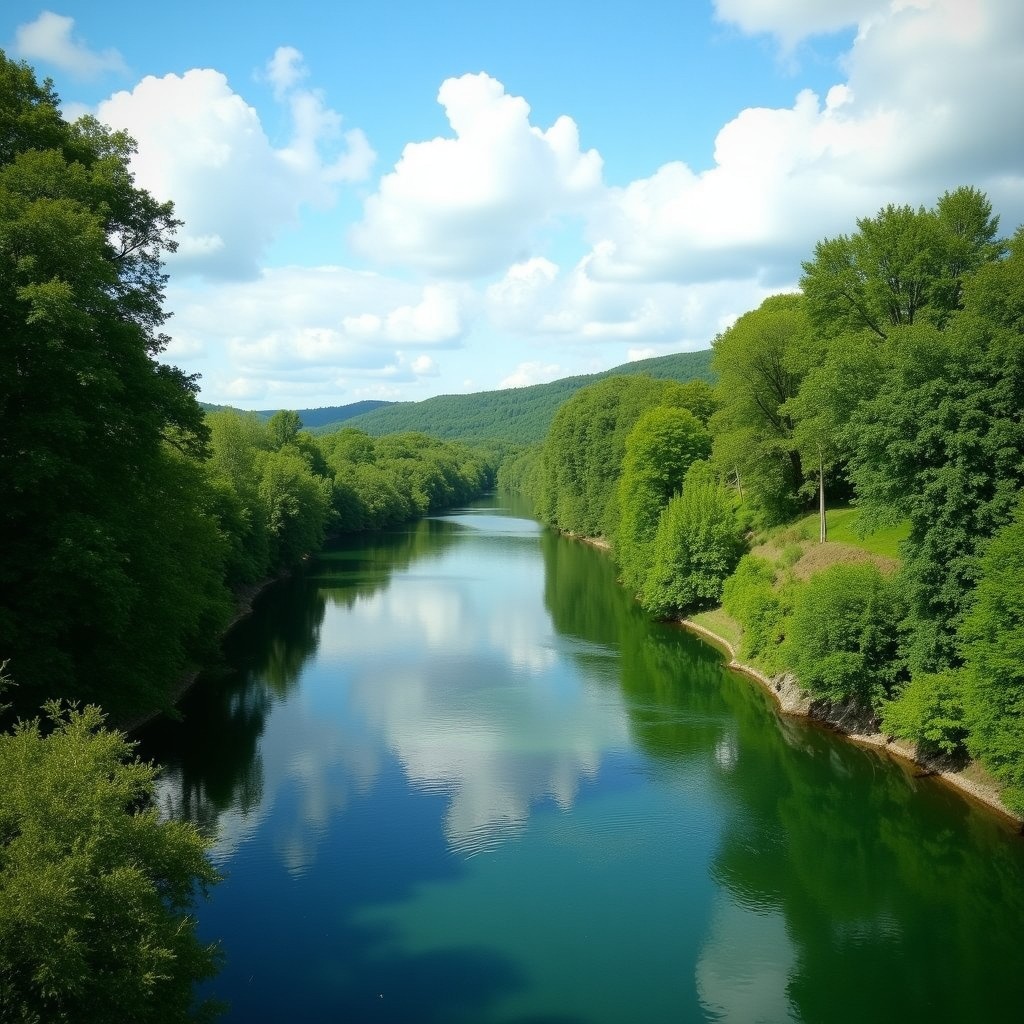
Cross the Varadin Bridge from the fortress into Novi Sad’s old town. The bridge itself has a poignant history—three bridges were destroyed in the 1999 NATO bombing, and this is one of the rebuilt crossings. Take a moment to look up and down the Danube; this is mainland Europe’s second-longest river, flowing from Germany through ten countries to the Black Sea.
The old town is compact and walkable. Start at Trg Slobode (Freedom Square), dominated by the Name of Mary Church with its colourful Zsolnay tiles, and the old Town Hall. From here, Zmaj Jovina Street is the main pedestrian spine, lined with cafes, ice cream shops, and boutiques. The atmosphere is more relaxed than Belgrade—Novi Sad has always had a slightly Austro-Hungarian, Central European feel compared to the more Ottoman-influenced capital.
For lunch, skip the tourist-oriented places around the square and walk a few blocks to Dunavska Street, where you’ll find traditional Serbian restaurants serving fresh fish from the Danube and hearty meat dishes. A typical main course costs €8-15, and portions are generous.
If you have time, the Museum of Vojvodina is worth an hour—it covers the region’s complex history from Roman times through the Ottoman and Austro-Hungarian periods to modern Serbia. Entry costs about 150 RSD (€1.30). The city also has a growing craft beer scene and several good microbreweries in walkable distance from the centre.
Fruška Gora: Monasteries and Wine Country
Here’s where having a car really pays off. Fruška Gora National Park rises just south of Novi Sad, and it’s one of Serbia’s most underrated attractions. The low mountain range is dotted with 16 Orthodox monasteries dating from the 15th to 18th centuries, plus vineyards that produce some of Serbia’s best wines.
The monasteries are scattered across the national park, connected by winding roads through beech and oak forests. The most famous is Krušedol Monastery, about 30 minutes drive from Novi Sad centre. It was founded in the early 16th century and contains beautiful frescoes and the tombs of several Serbian patriarchs. Entry is free, but dress modestly—shoulders and knees covered.
The wine tradition here goes back centuries. Before phylloxera devastated European vineyards in the late 19th century, Fruška Gora was one of the most important wine regions in the Austro-Hungarian Empire. It’s been rebuilt since, and now you’ll find family-run wineries producing excellent Bermet, Traminer, and Frankovka. Several wineries offer tastings and tours for €5-10 per person. Call ahead or check their Facebook pages—many are small operations that aren’t always open daily.
If you’re doing this as a day trip from Belgrade, you’ll need to prioritise. Either spend more time in Novi Sad proper and do a quick drive through Fruška Gora, or cut your city time short and do the monastery and wine trail properly. For a weekend trip, devote one day to each.
The national park also has hiking trails, though they’re not particularly challenging—Fruška Gora’s highest peak is only 539 metres. Spring brings wild orchids and meadow flowers, while autumn turns the deciduous forests spectacular colours.
Cta
A day trip from Belgrade to Novi Sad makes for a surprisingly full day—fortress, old town, river views, and even a taste of wine country if you’re efficient with your time. The drive is easy, the costs are low, and you’ll return to Belgrade feeling like you’ve actually been somewhere, not just ticked a box off a sightseeing list.
Book your car through carhireserbia.com and explore Novi Sad and Fruška Gora on your own schedule. For broader Balkans exploration, 365carhire.com has options across the region, and bgcarrental.com covers neighbouring Bulgaria for multi-country road trips.