Driving Through Serbia’s National Parks: Routes, Tips and Hidden Gems
Serbia isn’t the first place people think of for national park road trips. That honour usually goes to Croatia’s Plitvice, Slovenia’s Triglav, or Montenegro’s Durmitor. But here’s what those travellers miss: Serbia has five national parks that are genuinely spectacular — and almost empty compared to their coastal neighbours.
If you’re willing to get behind the wheel and venture outside Belgrade, you’ll find dramatic canyons, ancient forests, mountain lakes, and some of the most beautiful driving roads in the Balkans. No tour buses. No selfie-stick crowds. Just you, the road, and some of Europe’s most underrated wilderness.
Tara National Park: The Drina River Spectacle
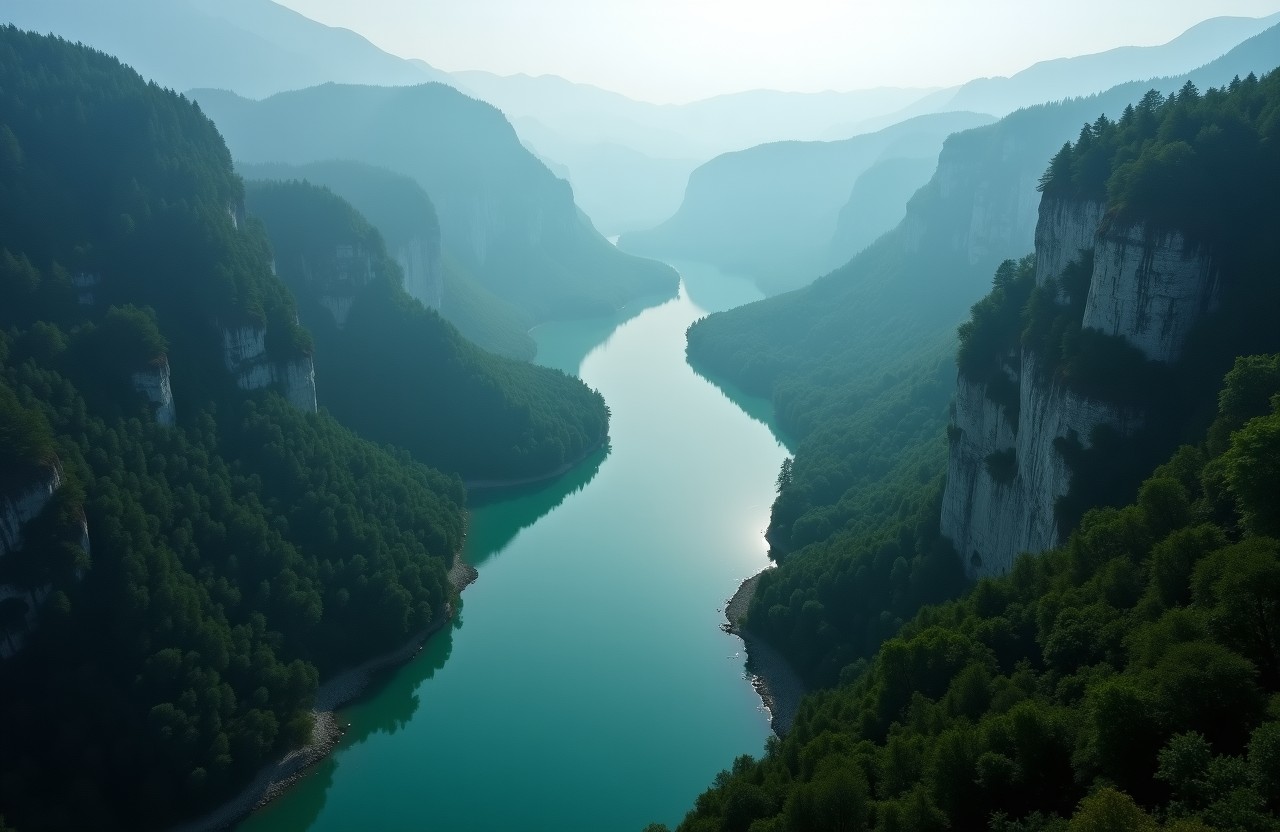
Let’s start with the showstopper. Tara National Park sits in western Serbia, right against the Bosnian border, and its centrepiece is the Drina River canyon — a gorge so dramatic it looks computer-generated. The viewpoint at Banjska Stena is one of those places where you’ll take 50 photos and none of them capture what you’re actually seeing.
The drive there takes you through some of Serbia’s prettiest countryside. From Belgrade, it’s about 3.5 hours via the E763 through Užice — not the shortest route, but you’ll want to stop for coffee and the scenery. The last stretch climbs into Tara’s forests, with hairpin turns that reward careful drivers (and punish distracted ones).
What makes Tara special beyond the views? The forests are ancient — some trees are 300+ years old. There’s a pancir (armoured) fish endemic to the Drina. And the Zaovine Lake is perfect for a summer swim if you’re there in season. Pack a lunch; restaurants are limited inside the park.
Best driving months: May-October
Key stops: Banjska Stena viewpoint, Zaovine Lake, Perućac village
Đerdap National Park: The Iron Gates
The Danube at its most dramatic. Where the river cuts through the Carpathian Mountains on the Serbia-Romania border, you get Đerdap (the Iron Gates) — the longest gorge in Europe. The national park stretches along the river for about 100km, and the drive along the Serbian side is genuinely cinematic.
Start from Belgrade heading east on the E75, then follow the Danube through Smederevo and Golubac. The fortress at Golubac is worth a stop — 10 towers right on the water, recently restored. From there, the road hugs the river through increasingly dramatic scenery until you reach the Kazan Gorge, where the Danube narrows to just 150 metres between cliffs hundreds of metres high.
Don’t miss Lepenski Vir, an 8,000-year-old archaeological site right on the riverbank. It’s one of Europe’s oldest settlements, and the museum is excellent. Also worth the detour: the Roman fort at Diana, perched above the river where Trajan’s Bridge once crossed.
The full Đerdap experience is a long day trip or better yet, an overnight. The town of Kladovo makes a decent base, and there are guesthouses along the river if you want to wake up to Danube views.
Best driving months: April-June, September-October
Key stops: Golubac Fortress, Lepenski Vir, Kazan Gorge viewpoint, Kladovo
Fruška Gora: The Accessible One
Closest to Belgrade and easiest to combine with other stops. Fruška Gora is an island mountain rising from the flat plains of Vojvodina — an ancient landmass that got surrounded by the Pannonian Sea millions of years ago. The drive from Belgrade is straightforward: head north on the E75, take the exit for Novi Sad, and you’re in the foothills within 90 minutes.
What you’ll find: forested ridges, hiking trails for all fitness levels, and 16 Orthodox monasteries tucked into valleys. It’s not dramatic in the Tara sense, but it’s serene. The air feels different. WeekendSerbs come here to escape the city, and on weekdays you might have the trails to yourself.
Combine Fruška Gora with Novi Sad (just 20 minutes from the park boundary) or Sremski Karlovci for wine tasting. If you’re planning a road trip north, this is your easiest option — no mountain passes, no challenging roads, just gentle hills and good tarmac.
Best driving months: Year-round (snow possible Jan-Feb)
Key stops: Krušedol Monastery, Grgeteg Monastery, Iriski Venac viewpoint
Kopaonik: Serbia’s Mountain Playground
Kopaonik is Serbia’s largest mountain range and its most developed national park. In winter, it’s the country’s main ski resort. In summer, it transforms into a hiking and cycling destination with over 150km of marked trails.
The drive from Belgrade takes about 4 hours via the E75 and then winding roads through central Serbia. The last 40km climb from the town of Brus are the most rewarding — dense forests give way to alpine meadows, and suddenly you’re at 1,700 metres with views across half of Serbia.
Summer is underrated here. The air is cool (10°C cooler than Belgrade), the wildflowers are out, and you can hike to peaks like Pančićev Vrh (2,017m). There’s a cable car that runs year-round if you don’t fancy the climb. The national park also has one of Serbia’s most photographed waterfalls — Jaram, about 30 minutes walk from the main resort.
Best driving months: June-September (hiking), December-March (skiing)
Key stops: Kopaonik resort, Pančićev Vrh, Jaram waterfall
Zlatibor: The Easy Mountain
Zlatibor isn’t technically a national park, but it deserves inclusion. This mountain in western Serbia has become one of the country’s most popular resorts — not for the skiing (there isn’t much), but for the wellness culture. People come here for the clean air, the traditional food, and the ridiculously affordable spa hotels.
From Belgrade, it’s about 3.5 hours via the E763 through Čačak and Užice. The road is good, and once you’re there, everything is close. The town of Zlatibor is walkable, with cafés and restaurants clustered around a central square. Drive 20 minutes to Stopića Cave for underground waterfalls, or 40 minutes to Sirogojno, a traditional village museum that shows how people lived here 150 years ago.
Zlatibor is also a gateway to Tara National Park — you’re already in the region, so combining the two makes sense. Stay in Zlatibor, day-trip to Tara, and you’ve got the best of both.
Best driving months: Year-round (peak July-August)
Key stops: Stopića Cave, Sirogojno village museum, Gostilje waterfall
Uvac Canyon: The Hidden Wonder
Deep in southwestern Serbia, Uvac Canyon is one of those places that makes you pull over and stare. The Uvac River has carved a canyon with more twists than a thriller novel — the meanders are so dramatic that boats can take an hour to travel what looks like 500 metres as the crow flies.
Getting there is part of the adventure. From Belgrade, it’s about 4.5 hours through increasingly beautiful countryside. The last stretch from Nova Varoš requires mountain roads — well-maintained but with plenty of curves. The viewpoint at Molitva is essential; you’ll see the river winding through a landscape that looks more like Utah than Europe.
Uvac is also one of the best places in Serbia to see griffon vultures. These massive birds were nearly extinct in the region, but conservation efforts have brought them back. Seeing a vulture with a 2.5-metre wingspan glide past your viewpoint is something you won’t forget.
Best driving months: May-October
Key stops: Uvac viewpoint (Molitva), boat tours from Uvac dam
Practical Driving Tips for Serbia’s National Parks
Road Conditions
Main highways are excellent — the E75 from Belgrade to Novi Sad and Niš is modern and well-maintained. Secondary roads vary. Mountain routes to Tara, Kopaonik, and Uvac include hairpins and elevation changes; take your time. In rural areas, watch for agricultural vehicles, cyclists, and the occasional herd of cows (yes, really).
Fuel and Services
Petrol stations are plentiful on main routes but sparse inside national parks. Fill up before entering — the last station might be 30km back. Most accept cards, but carry 5,000-10,000 dinars cash for emergencies. In small villages, you’ll find stores for water and snacks, but proper restaurants are limited — pack lunch if you’re heading off-road.
Parking
At popular spots (Golubac Fortress, Banjska Stena viewpoint), parking is usually 200-500 dinars. The money goes toward park maintenance. In smaller parks, you might find free parking but limited spaces — arrive early in peak season.
Navigation
Google Maps works for main routes but struggles inside some parks. Download offline maps. For serious hiking, get the AllTrails app — local trail marking is inconsistent in places.
Best Time to Drive
June-September for the mountain parks (Tara, Kopaonik, Uvac). Đerdap is stunning in October when the Danube valley turns gold. Fruška Gora works year-round, though trails can be muddy in spring. Avoid remote mountain roads in winter unless you’re experienced with snow driving.
Ready to explore? Car hire in Belgrade is your gateway to all five national parks — compare suppliers and lock in a competitive rate before you go.
Related Destinations
Flying into southern Serbia? Car hire at Niš Airport positions you perfectly for trips toward Kopaonik and the Serbian south. For more driving advice, see our complete guide to driving in Serbia.
Frequently Asked Questions
Do I need a 4×4 for Serbia’s national parks?
For the main parks and viewpoints, no — a regular car handles all major roads. Tara and Kopaonik have paved roads to key sites. Uvac’s main viewpoints are accessible on good gravel roads that any car can manage. A 4×4 only helps if you’re exploring forest tracks or visiting in winter when snow is possible.
Can I camp in Serbia’s national parks?
Wild camping is technically illegal, but enforcement varies. Several parks have designated camping areas near entry points. Your best option is to stay in nearby towns — Zlatibor, Kladovo, and Novi Sad all have accommodation options near their respective parks. Budget €25-50/night for decent guesthouses in smaller towns.
Are there entrance fees for national parks?
Some parks charge entrance fees (usually 200-500 dinars) for specific viewpoints or facilities. The Banjska Stena viewpoint in Tara charges for parking; Đerdap has fees for archaeological sites like Lepenski Vir. Hiking trails are generally free. It’s affordable — budget €10-20 total for a day trip with multiple stops.
What’s the closest national park to Belgrade?
Fruška Gora — you can be on a trail within 90 minutes of leaving Belgrade. It’s the easiest option for a day trip, and you can combine it with Novi Sad or wine tasting in Sremski Karlovci. If you want dramatic scenery but still manageable in a day, Đerdap is about 2 hours one way.
Is it safe to drive in rural Serbia?
Yes — road safety is comparable to elsewhere in the Balkans. Main roads are well-maintained, and locals are helpful if you get lost. Watch your speed in villages (strict limits with cameras), and take mountain roads carefully. Wildlife crossings (deer, boar) are possible in forest areas, especially dawn and dusk. Use common sense and you’ll be fine.