Driving from Belgrade to Niš: What to Expect on the E75 Highway
Driving from Belgrade to Niš: What to Expect on the E75 Highway
The E75 highway connecting Belgrade to Niš is more than just a transportation route—it’s a journey through the heart of Serbia, offering glimpses of the country’s diverse landscapes, rich history, and vibrant culture. Whether you’re relocating, embarking on a business trip, or exploring southern Serbia as a tourist, understanding what to expect on this drive will make your journey safer and more enjoyable.
Route Overview: Belgrade to Niš via E75
Distance: Approximately 240 kilometers (150 miles)
Driving Time: 3.5 to 4.5 hours depending on traffic, stops, and driving style
Route: Belgrade → Smederevo → Požarevac → Veliko Gradište → Golubac → Đerdap National Park → Kladovo → Negotin → Zaječar → Knjaževac → Niš
The E75 is part of the European route network and follows the corridor of the ancient Via Militaris, a Roman road that once connected Singidunum (Belgrade) to Constantinople (Istanbul).
Section-by-Section Breakdown
Belgrade to Smederevo (45 km, 40 minutes)
Leaving Belgrade, you’ll follow the Danube River eastward. The highway is modern and well-maintained, passing through industrial suburbs before reaching the historic town of Smederevo, famous for its impressive fortress on the Danube banks.
Smederevo to Požarevac (35 km, 30 minutes)
Continuing east, the route passes through agricultural landscapes typical of the Vojvodina region. Požarevac is known for its archaeological sites and as the place where the Treaty of Požarevac was signed in 1718.
Požarevac to Veliko Gradište (25 km, 20 minutes)
This section follows the Danube closely, offering scenic river views. Veliko Gradište is a popular weekend destination known for its beaches, monasteries, and fish restaurants along the Danube.
Veliko Gradište to Golubac (30 km, 25 minutes)
The highway begins to ascend slightly as you approach the Đerdap Gorge area. Golubac Fortress, strategically positioned at the entrance to the Iron Gates, dominates the landscape where the Danube narrows dramatically.
Golubac to Đerdap National Park (Entrance) (15 km, 15 minutes)
You’re now entering the spectacular Đerdap National Park, home to the Iron Gates—one of Europe’s most impressive natural landmarks where the Danube carves its way through the Carpathian Mountains.
Through Đerdap National Park (Kladovo to Zaječar) (80 km, 1 hour)
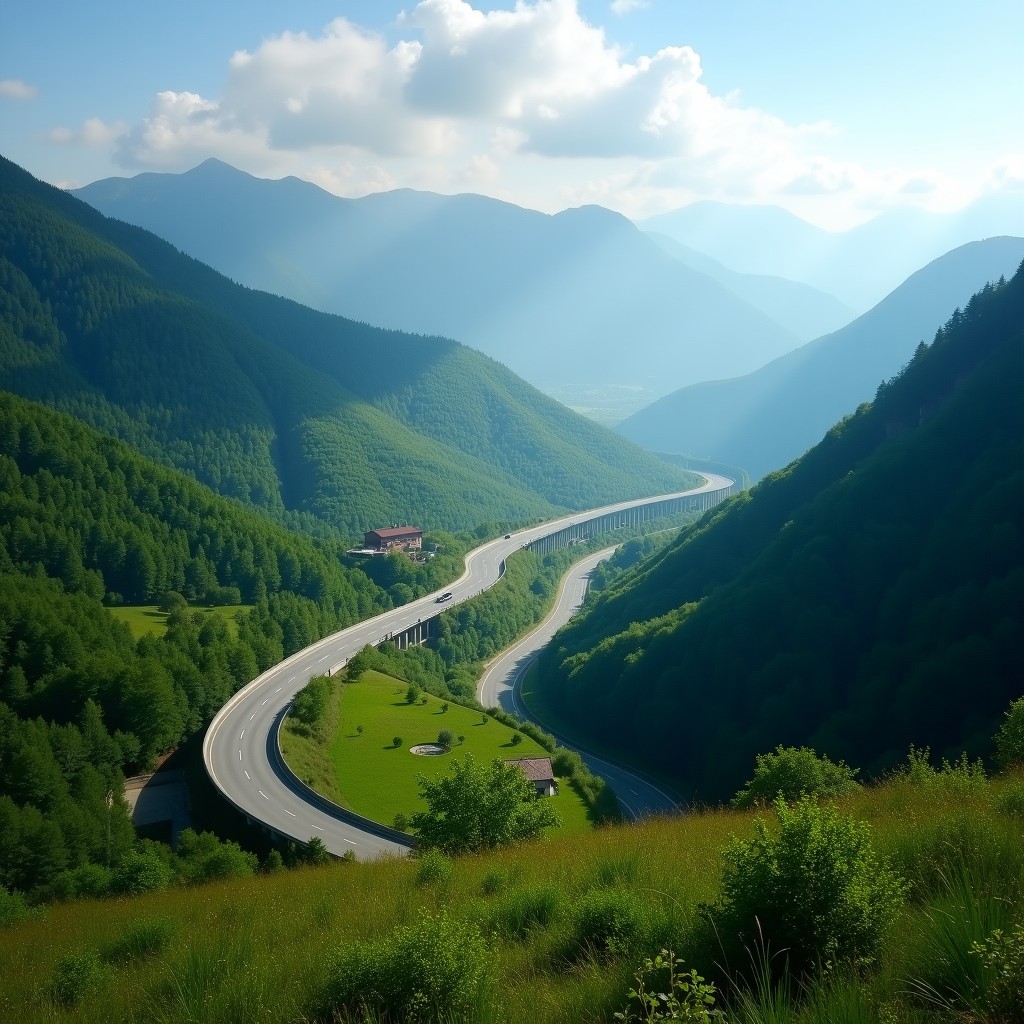
This is the highlight of the journey. The highway follows the Danube through breathtaking scenery as the river squeezes between the Carpathian and Balkan mountains. Look out for:
- Tabula Traiana: Roman memorial plaque commemorating Emperor Trajan’s road construction
- Dečevo: Viewpoint offering panoramic vistas of the Danube and surrounding mountains
- Djerdap Dam: One of Europe’s largest hydroelectric power stations creating Lake Đerdap
Note that speeds may be reduced in certain sections due to curves and occasional fog in the river valley.
Zaječar to Knjaževac (50 km, 40 minutes)
Leaving the Danube basin, the route turns southward into Serbia’s interior. The landscape transitions from river valley to rolling hills and agricultural plains. Zaječar is known for its Roman-era Felix Romuliana palace (Galerius’ residence), while Knjaževac sits in the picturesque Timok Valley.
Knjaževac to Niš (35 km, 30 minutes)
The final stretch brings you closer to Niš as you enter the Nišava River valley. The highway approaches Niš from the northeast, giving you your first views of the city’s distinctive skyline dominated by the Niš Fortress and surrounding hills.
Practical Driving Tips for the E75 Belgrade-Niš Route
Best Time to Travel
- Weekday Mornings (7-9 AM): Generally light traffic except near Belgrade
- Weekday Evenings (4-6 PM): Expect commuter traffic around larger towns
- Weekends: Variable – leisure travel increases but no commuter congestion
- Holidays: Significantly heavier traffic, especially around major holiday periods
Weather Considerations
- Spring (March-May): Generally favorable; occasional rain showers
- Summer (June-August): Warm to hot; afternoon thunderstorms common in mountainous sections
- Autumn (September-November): Cooling temperatures; beautiful fall colors in forested sections
- Winter (December-February): Possible ice and snow, particularly in elevated sections and shaded areas
Fuel and Services
- Frequency: Gas stations appear every 25-40 kilometers along the route
- Quality: Major brands (Shell, OMV, Lukoil) alongside reputable local stations
- Services: Most stations offer convenience stores, clean toilets, and air/water for tires
- Advice: Fill up when passing through towns rather than waiting for empty tanks in rural stretches
Rest Stops and Facilities
- Official Rest Areas: Several designated areas with parking, toilets, and information boards
- Unofficial Stops: Wide shoulders and pull-offs throughout for photos or brief breaks
- Restaurant Recommendations: Try local specialties like ćevapi, pljeskavica, and fresh river fish in towns along the route
- Monastery Stops: Consider visiting Manasija or Ravanica monasteries for cultural breaks
Scenic Highlights and Points of Interest
Historical Sites Along the Route
- Smederevo Fortress: One of Europe’s largest lowland fortresses
- Golubac Fortress: Strategically positioned where Danube enters the Iron Gates
- Felix Romuliana (Galerius’ Palace): UNESCO World Heritage site near Zaječar
- Monasteries: Numerous Serbian Orthodox monasteries dot the landscape
Natural Attractions
- Đerdap National Park: Breathtaking river gorge scenery
- River Valleys: Danube and Nišava valleys offer changing landscapes
- Forested Areas: Mixed woodlands particularly beautiful in autumn
- Mountain Views: Distant views of Carpathian and Balkan ranges
What to Expect in Niš Upon Arrival
Approaching Niš from the northeast on the E75, you’ll gradually descend into the Nišava River valley. The city reveals itself through:
- Niš Fortress: Impressive fortifications visible on the hill overlooking the river
- City Layout: Clear grid pattern typical of planned settlements
- Industrial Areas: Manufacturing zones on the city’s northeastern outskirts
- University Presence: Student population adds vitality to certain neighborhoods
First-time visitors often notice Niš’s distinctive character—less tourist-focused than Belgrade or Novi Sad, with a strong sense of local identity and historical pride.
Return Journey: Niš to Belgrade
The return trip offers the same sights in reverse order, often with different lighting and atmospheric conditions. Consider:
- Timing: Leave Niš by mid-afternoon to avoid arriving in Belgrade during peak evening traffic
- Variation: You’ll notice different details on the return journey—what was downstream becomes upstream, etc.
- Fatigue Management: Share driving if possible; take breaks every 90-120 minutes
Frequently Asked Questions
Is the E75 Belgrade-Niš highway safe to drive?
Yes, the E75 between Belgrade and Niš is generally safe and well-maintained. It’s a major transportation corridor carrying significant commercial and passenger traffic. Exercise normal caution, particularly in towns and during adverse weather conditions.
Are there tolls on the E75 between Belgrade and Niš?
No, there are currently no tolls on the E75 section between Belgrade and Niš. The highway is funded through general taxation and EU infrastructure funds.
What speed limits apply on this route?
Motorway Sections: 120 km/h (75 mph) where posted
Expressway Sections: 100 km/h (62 mph) in certain areas
Built-up Areas: 50-60 km/h (31-37 mph) as signed
Advisory Speeds: Lower limits may apply on curves, in construction zones, or during adverse weather
Can I use cruise control on this route?
Yes, cruise control is practical and recommended on the longer, straighter sections of the highway, particularly through the Đerdap National Park area where speeds are relatively consistent.
Are there electric vehicle charging stations along the route?
EV charging infrastructure is developing but still limited. Check platforms like PlugShare or Chargemap for current locations, which tend to be concentrated in larger towns rather than evenly spaced along the route.
Should I break the journey into two days?
For most travelers, the Belgrade-Niš drive is comfortably manageable as a single day trip. Consider breaking the journey only if:
- Traveling with young children or elderly passengers
- Planning extensive stops at historical or natural sites
- Traveling during winter with challenging road conditions
- Wanting to explore specific destinations in depth rather than just passing through
Conclusion: More Than Just a Drive
The E75 highway from Belgrade to Niš offers far more than a simple point-to-point connection. It’s a journey through layers of history—from Roman emperors and medieval fortresses to Ottoman influences and modern Serbian life. The changing landscapes tell stories of geological forces, human settlement, and economic development spanning millennia.
By understanding what to expect on this route—from the practical aspects of driving conditions and services to the rich historical and natural attractions along the way—you transform a simple drive into a meaningful travel experience. Whether you’re visiting for business, pleasure, or personal reasons, the Belgrade-Niš journey via E75 provides an excellent introduction to the diversity and beauty of central and southern Serbia.
Safe travels, and enjoy the journey as much as the destination!