Vrnjačka Banja by Car: Serbia’s Most Famous Spa Town — What to Expect
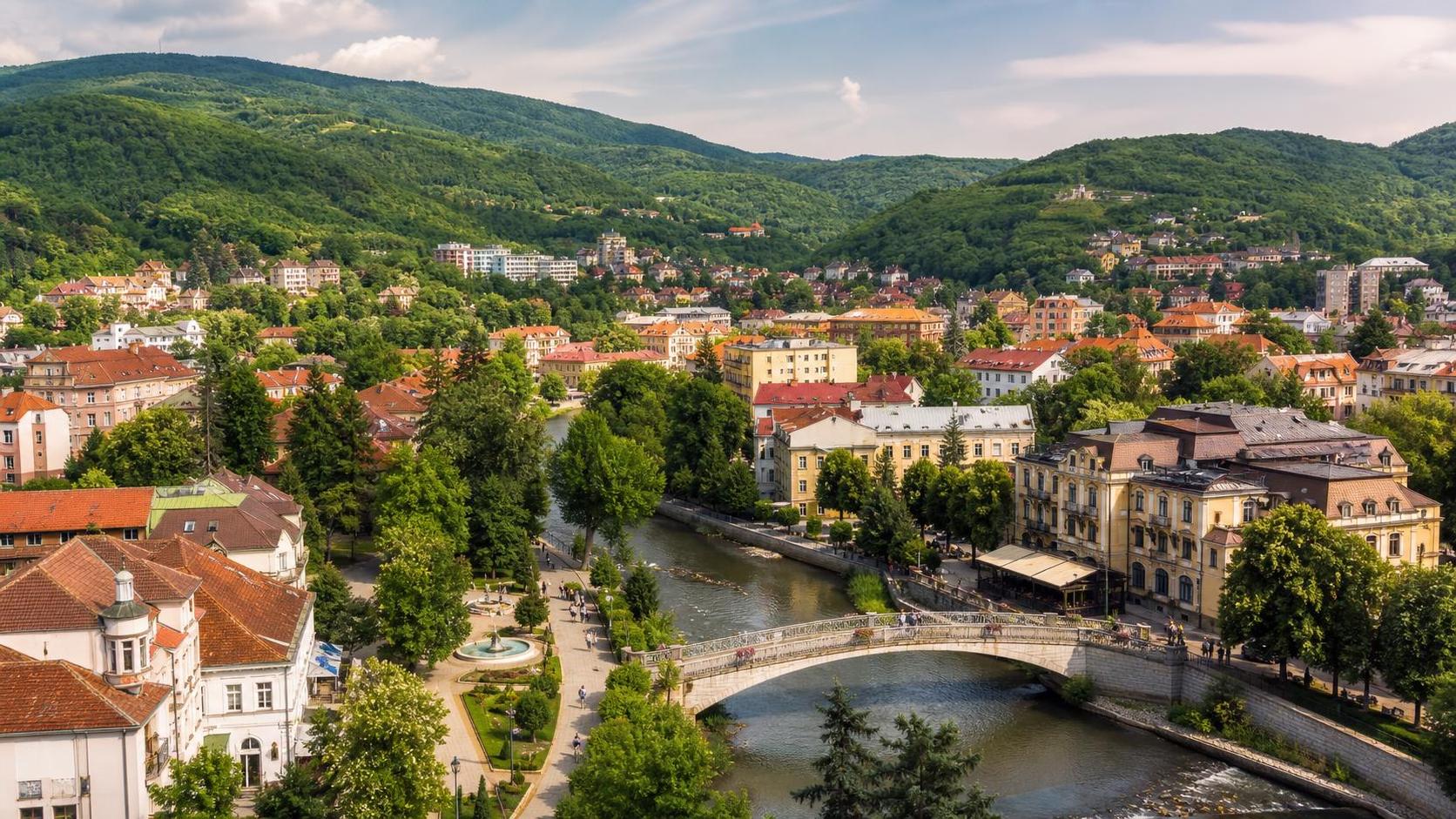
Vrnjačka Banja is the kind of place Serbians talk about the way Italians talk about Tuscany. It is the country’s oldest and most famous spa town, tucked into the valleys of central Serbia, where mineral springs have been drawing visitors since Roman times. If you are exploring Serbia by rental car, Vrnjačka Banja deserves more than a passing mention. It is a destination in its own right, and a surprisingly good base for road trips into some of the country’s most underrated scenery.
Why Visit Vrnjačka Banja by Car
The town sits about 220 kilometres south of Belgrade and roughly 100 kilometres north of Niš, right along the main E75 motorway corridor. That makes it an easy stop whether you are driving from the capital toward the south, or heading north from Niš after landing at Niš Airport. Having your own vehicle matters here because the real attractions are not just in the town centre, they are spread through the surrounding hills, vineyards, and monasteries.
The town is compact and walkable, but the best experiences require short drives. Fruška Gora is not nearby, that is closer to Novi Sad, but the mountains around Vrnjačka Banja have their own character. Rolling hills, dense oak forests, and small villages where time slows down. A rental car turns a spa visit into a proper central Serbia road trip.
Driving Routes to Vrnjačka Banja
From Belgrade
The most direct route follows the A1/E75 motorway south for about two and a half hours. The road is in good condition, mostly dual carriageway, with tolls totaling around 500 to 700 dinars depending on your exit point. Take the Vrnjačka Banja exit and follow the local road for ten minutes into the town centre. Traffic is rarely heavy outside of peak summer weekends and the New Year’s holiday rush.
From Niš
Heading north from Niš, the drive takes roughly ninety minutes via the E80 and local roads. The scenery here is more dramatic than the motorway route from Belgrade. You pass through the Zaplanje valley and approach the town from the south, which gives you a better view of the surrounding hills. It is a pleasant drive, especially in autumn when the forests turn gold and red.
From Novi Sad
If you are combining Vrnjačka Banja with a northern Serbia itinerary, expect a three-hour drive via the A1. Most travellers break the journey with a stop at Novi Sad or the Belgrade to Novi Sad route, then continue south the following day.
Parking in Vrnjačka Banja
Parking is straightforward but varies by season. The town promenade and park area have metered zones during the day, typically from 07:00 to 22:00, with rates around 50 dinars per hour. Most hotels and guesthouses offer free or discounted parking for guests, which is worth factoring into your accommodation choice.
During the summer festival season and around New Year’s, parking near the central promenade fills up by mid-morning. A good strategy is to park at your accommodation and walk into town, or use the larger car park near the Vrnjačko Vrelo mineral spring, which has more spaces and is only a five-minute stroll from the main strip.
What to Do in Vrnjačka Banja
The Mineral Springs
The town is built around four natural mineral springs, each with different properties. The Hot Spring (Topla Vrelo) runs at about 36 degrees Celsius and is the most famous. The Cold Spring (Hladna Vrelo) sits at around 14 degrees. Both are in the central park area and freely accessible for drinking. Locals fill bottles daily, and you will see elderly residents sipping from small cups on the park benches every morning. It is a genuine local ritual, not a tourist show.
The Bridge of Love
Most Ljubavi, the Bridge of Love, is a small wooden footbridge over the Vrnjačka River where couples attach padlocks. It started as a local tradition in the 1980s and has since become one of Serbia’s most photographed spots. The original bridge collapsed under the weight of locks in 2012 and was rebuilt. It is a short walk from the promenade and worth ten minutes, especially at dusk when the river reflects the surrounding hills.
The Promenade and Parks
The town centre revolves around a long, tree-lined pedestrian promenade that runs parallel to the river. In summer it feels like a continental seaside resort without the sea. Cafes, ice cream stands, and street musicians line the walkway. The park behind the promenade has shaded benches, a small lake, and walking trails that lead up into the hills. If you want a longer walk, follow the trail from the Cold Spring up to the Church of the Holy Trinity for a panoramic view over the valley.
Day Trips from Vrnjačka Banja by Car
Žiča Monastery (25 minutes)
This 13th-century monastery is a UNESCO tentative site and one of the most important medieval churches in Serbia. It was the seat of the first Serbian archbishop and the coronation church of early Serbian kings. The drive from Vrnjačka Banja is short and scenic, winding through farmland and small villages. The monastery grounds are peaceful, with orchards and a working church that still holds services. Entry is free, though modest dress is expected.
Maglič Fortress (35 minutes)
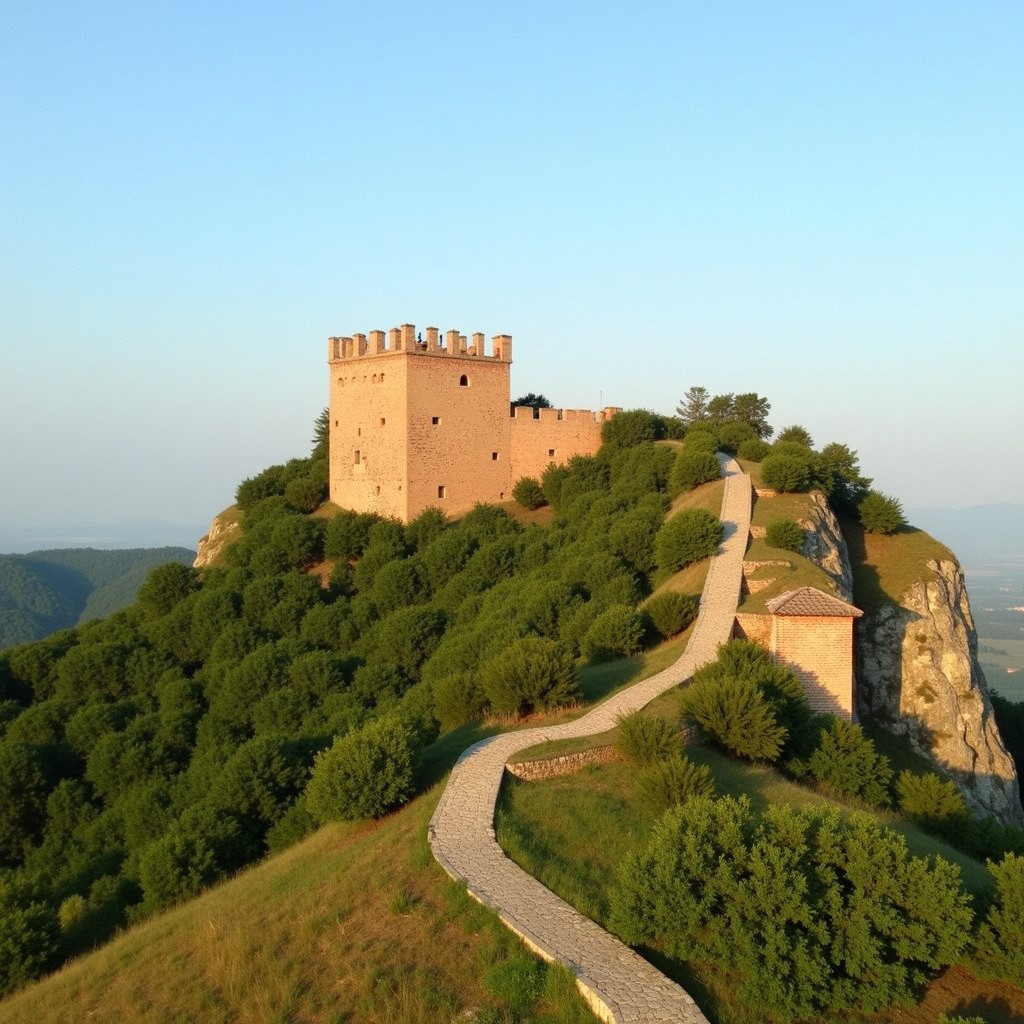
A well-preserved 13th-century fortress perched on a steep hill above the Ibar River. The drive takes you along the Ibar Gorge, a dramatic river valley that feels more remote than it is. The fortress itself requires a short uphill walk from the road, but the views over the gorge are worth the effort. Combine this with Žiča for a half-day medieval Serbia circuit.
Studenica Monastery (1 hour 15 minutes)
One of Serbia’s five UNESCO World Heritage sites, Studenica is a full medieval monastery complex in a valley surrounded by mountains. The drive from Vrnjačka Banja takes you through the Moravica valley and past the town of Kraljevo, where you can refuel and pick up supplies. The monastery has two main churches, extensive frescoes from the 12th and 13th centuries, and a working farm. Plan for at least two hours on site.
Kopaonik National Park (1 hour 30 minutes)
Serbia’s largest mountain resort is a straightforward drive west from Vrnjačka Banja. In winter it is a ski hub. In summer the mountain roads, alpine meadows, and Jelovarnik waterfall make it a refreshing escape from the spa town heat. A rental car with decent ground clearance is useful for the unpaved access roads to some viewpoints.
Đavolja Varoš (Devil’s Town) (1 hour)
One of Europe’s most unusual rock formations, Đavolja Varoš looks like a forest of stone pillars on a barren hillside. It is a natural monument with walking trails, a small museum, and a local legend about a wedding party turned to stone. The drive from Vrnjačka Banja takes you through the Zaplanje region, a quiet corner of Serbia that most international tourists never see.
Practical Tips for Visiting
Best Time to Visit
Vrnjačka Banja is a year-round destination, but the character changes by season. Summer (June to August) is busiest, with warm days, outdoor cafes, and the Vrnjačka Banja Carnival in July. Autumn (September to October) offers the best driving weather, quieter hotels, and spectacular forest colours. Winter is cold but atmospheric, especially around New Year’s when the town fills with Serbian families on spa holidays. Spring can be rainy but the surrounding countryside is at its greenest.
Car Type Recommendation
A standard compact or mid-size car is perfectly adequate for Vrnjačka Banja and the main day-trip routes. The roads to Žiča, Maglič, and Kopaonik are paved and well-maintained. If you plan to explore remote viewpoints around Kopaonik or visit Đavolja Varoš after heavy rain, an SUV or a car with higher clearance makes the unpaved sections more comfortable. In winter, winter tyres are legally required and snow chains are advisable for mountain roads.
Fuel and Supplies
Fuel prices in Serbia typically run between 140 and 155 dinars per litre for petrol, and slightly less for diesel. There are petrol stations on the A1 motorway and in Kraljevo, but fewer options in the rural valleys around Žiča and Maglič. Fill up before heading out on day trips.
Where to Stay
The town has options ranging from historic spa hotels to modern apartments. The most established properties are along or near the main promenade, within walking distance of the springs. If you prefer a quieter setting, look for guesthouses in the hills above the town, especially on the road toward Žiča. Most properties offer half-board packages that include breakfast and dinner, which is convenient since the best local restaurants are in town rather than scattered.
Related Destinations
Looking for more central Serbia road trip ideas? Also explore Novi Sad for northern culture and the Danube, Niš for southern history and fortress tours, Kopaonik for mountain scenery and skiing, and Užice for western Serbia’s canyon roads. If you are starting your trip from the capital, read our Belgrade Airport car hire guide for pickup tips and driving advice.
FAQs
Is Vrnjačka Banja worth a dedicated visit? Yes. It is not a day-trip town. Plan at least two nights to enjoy the spa atmosphere and do the surrounding day trips properly.
Can I drink the mineral water? Absolutely. The springs in the central park are freely accessible and locals drink from them daily. The Hot Spring has a stronger mineral taste, while the Cold Spring is milder.
How long should I stay? Two to three nights is ideal. One day for the town and springs, one or two days for the surrounding monasteries, fortress, and nature sites.
Is it safe to drive at night? The A1 motorway and main roads are well-lit and safe. Rural roads around Žiča and Maglič have less lighting and occasional wildlife, so plan to return before dark if possible.
Ready to book? Visit our homepage for the best hire car deals.